Fight Fire With Fire: Meaning, Origin, Examples, and How to Use It
Fight Fire With Fire: Meaning, Origin, Examples, and How to Use It explains the idiom with simple definitions, history, and useful examples.
Read more
A Dish Fit for the Gods: Meaning, Origin, Usage, and Examples
A Dish Fit for the Gods: Meaning, Origin, Usage, and Examples explains how this phrase praises food of taste, quality presentation.
Read more
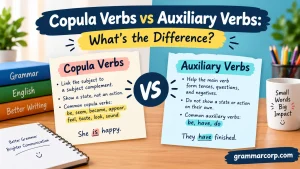
Copula Verbs vs Auxiliary Verbs: What’s the Difference?
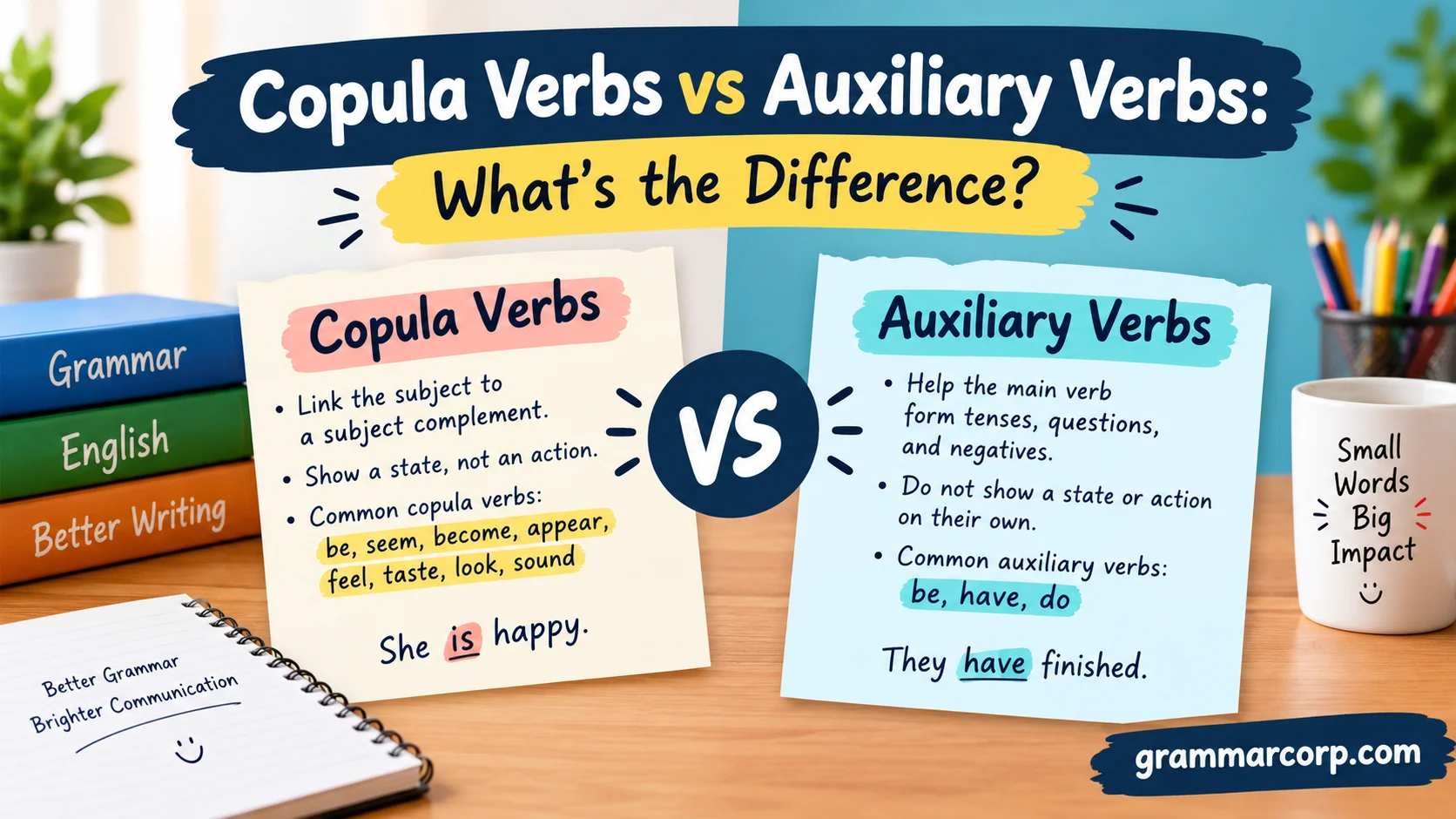
Copula Verbs vs Auxiliary Verbs: What’s the Difference? Learn how verbs describe subjects while auxiliary verbs help form verb phrases.
Read more
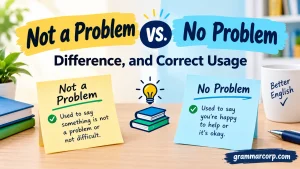
Not a Problem vs. No Problem: Difference, and Correct Usage
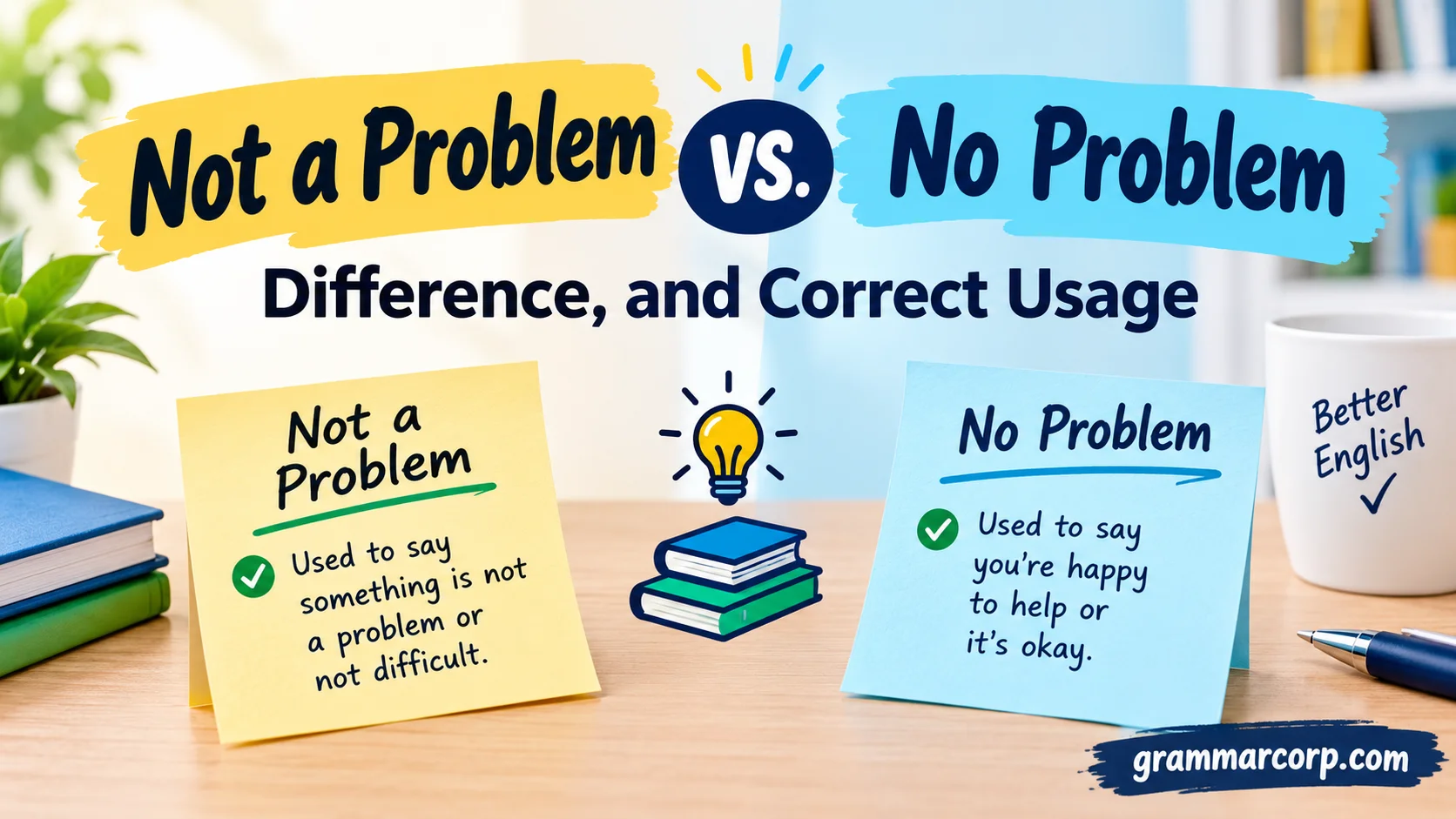
This guide to Not a Problem vs. No Problem: Difference, and Correct Usage explains how context, tone, grammar shape each phrase in English.
Read more
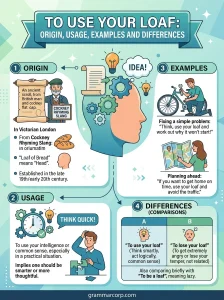
To Use Your Loaf: Origin, Usage, Examples and Differences
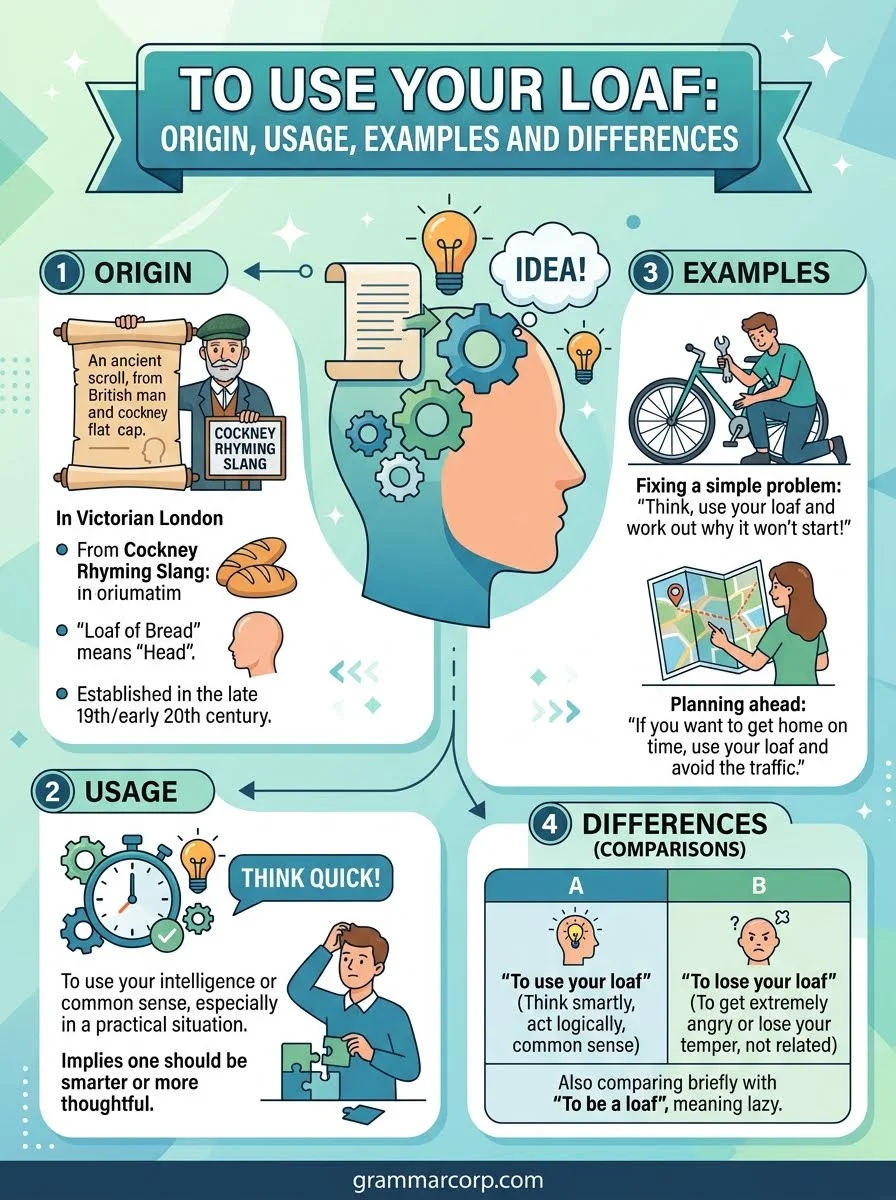
To Use Your Loaf: Origin, Usage, Examples and Differences explains this British idiom, its rhyming slang roots, how it means to think wisely.
Read more
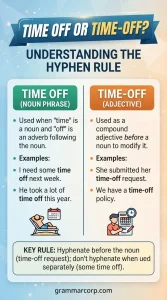
Time Off or Time-Off? Understanding the Hyphen Rule
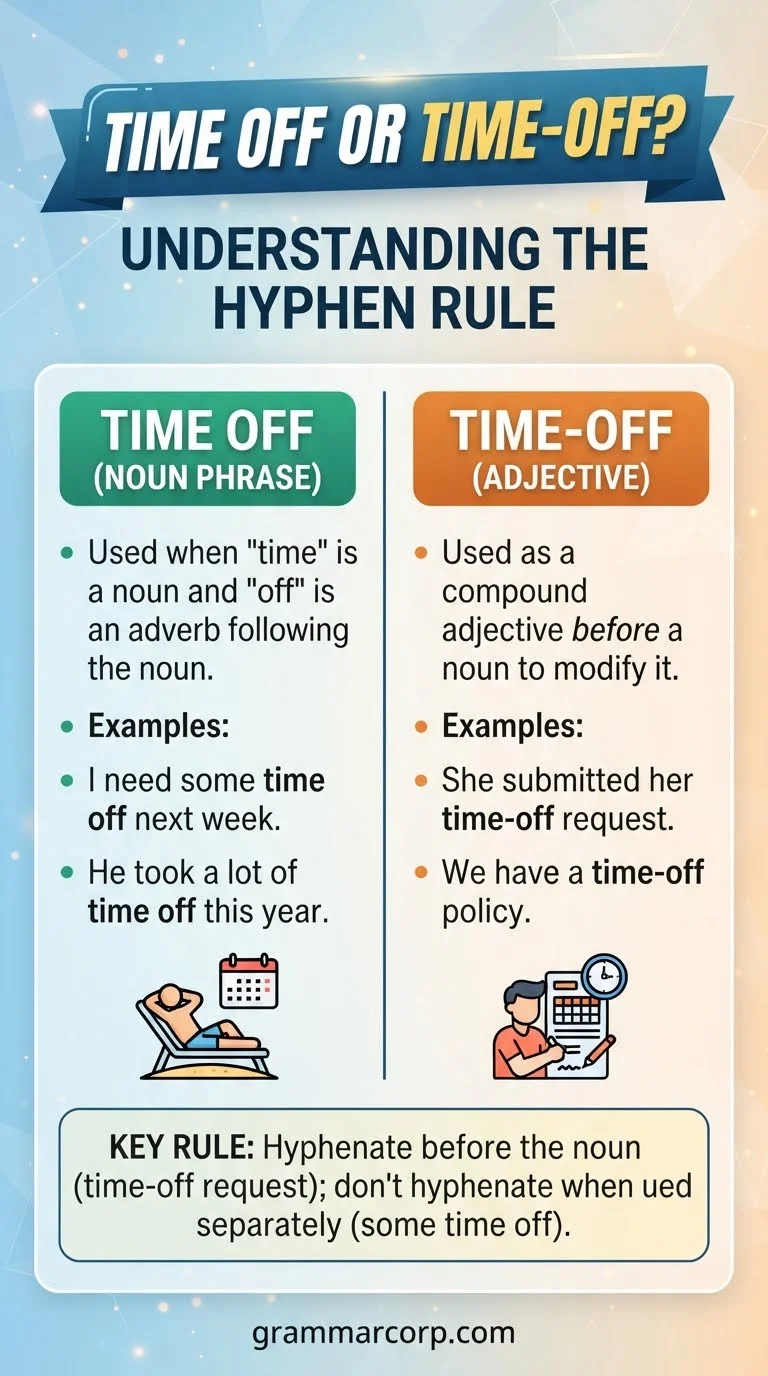
Time Off or Time-Off? Understanding the Hyphen Rule explains when to use the open form and when a form may be appropriate in English writing.
Read more
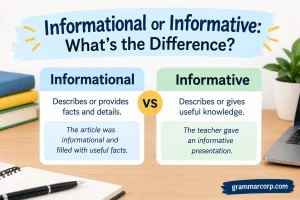
Informational or Informative: What’s the Difference?
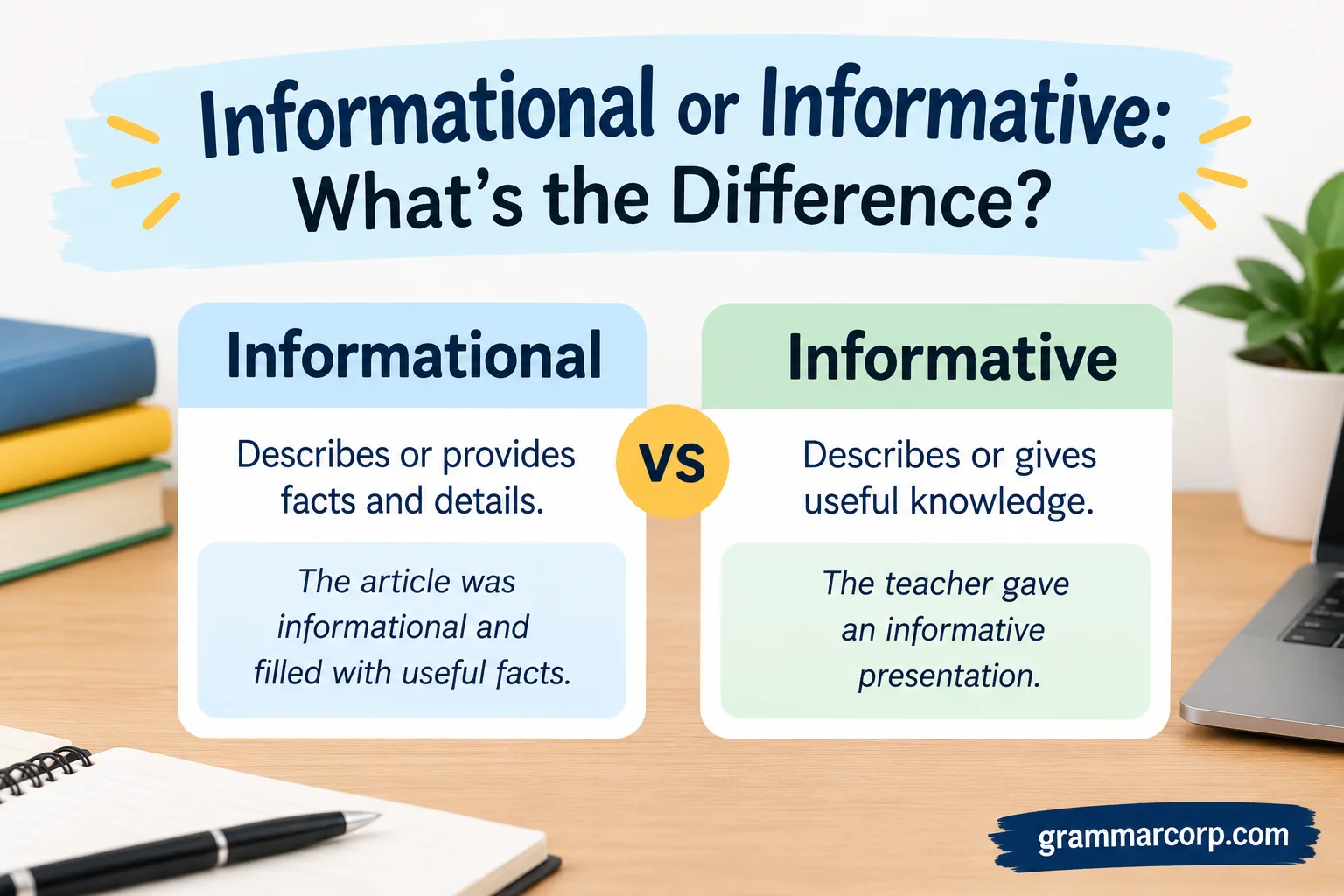
Informational or Informative: What’s the Difference? Learn how these words shape clear writing and help you choose the right term in context.
Read more
Deactivate or Inactivate: Which Word Is Correct?
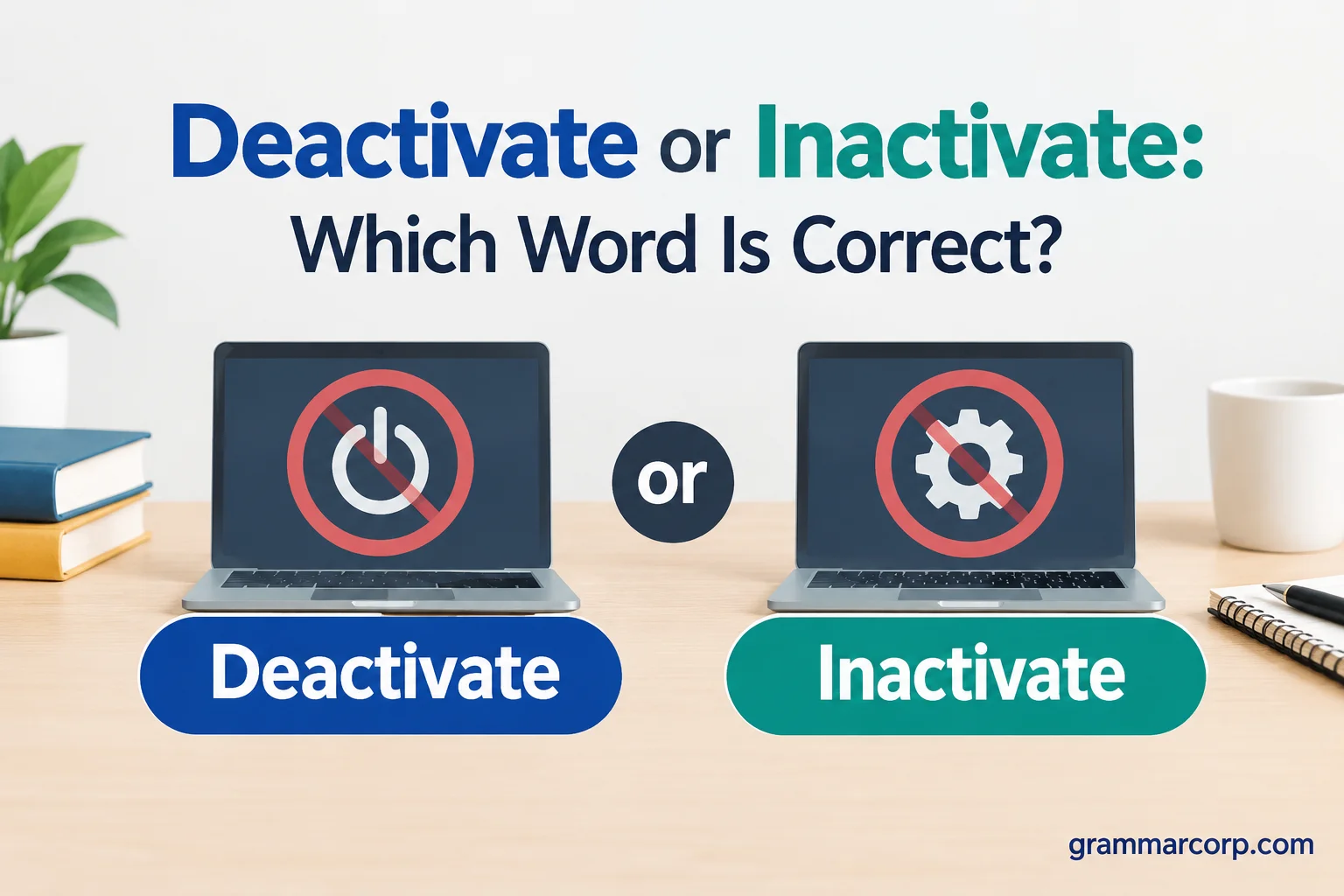
Deactivate or Inactivate: Which Word Is Correct? explains how context helps you choose the right term for digital systems scientific writing.
Read more
Penny for Your Thoughts: Origin, Examples

Penny for Your Thoughts: Origin, Examples explains how this familiar idiom invites people to share their thoughts in everyday conversations.
Read more
Die With Your Boots On: Meaning, Origin, History, and Usage

Die With Your Boots On: Meaning, Origin, History, and Usage explains how this phrase connects courage, commitment, and staying active until.
Read more