A Dish Fit for the Gods: Meaning, Origin, Usage, and Examples
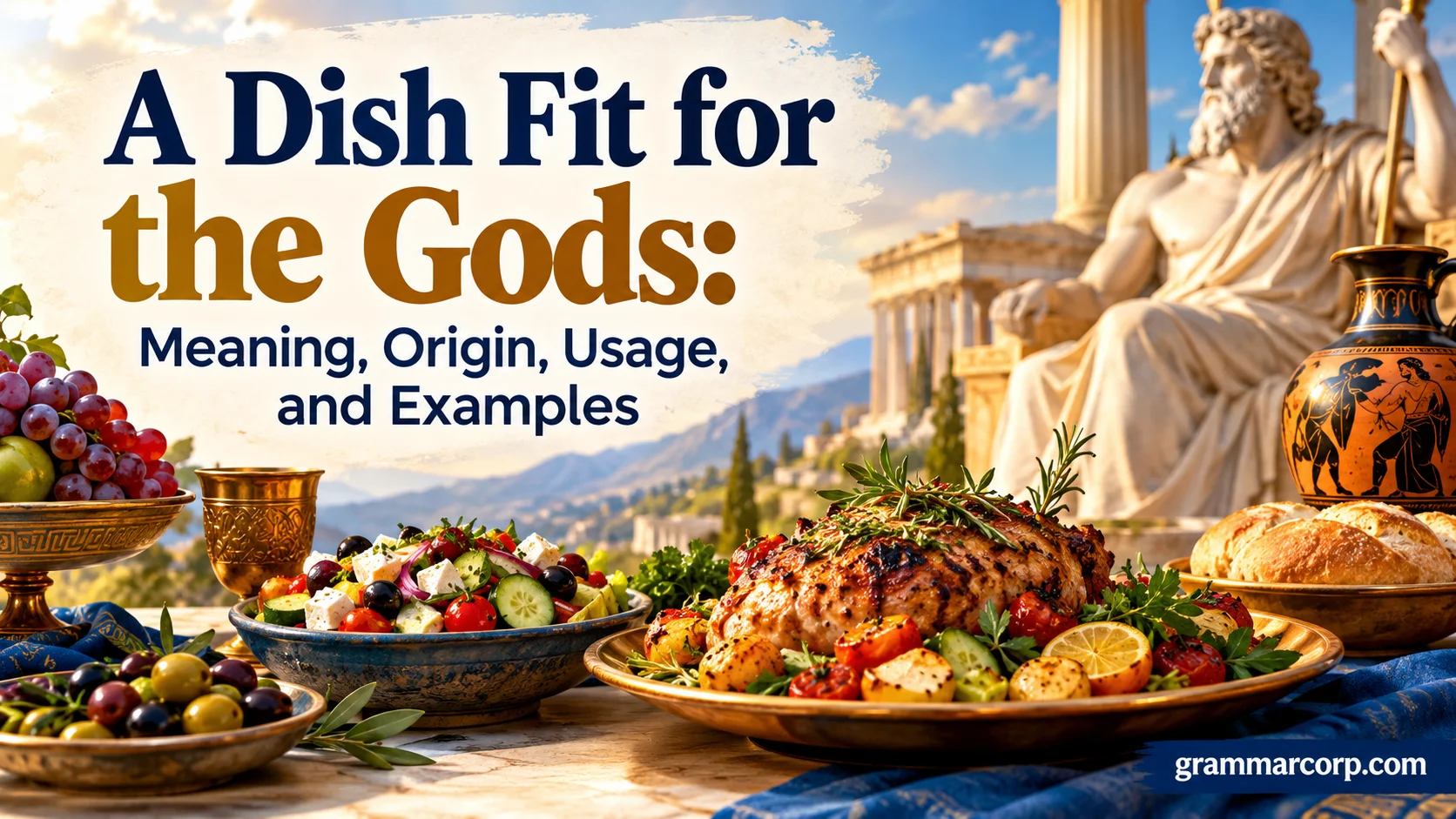
A Dish Fit for the Gods: Meaning, Origin, Usage, and Examples explains how this phrase praises food of taste, quality presentation.
Read more
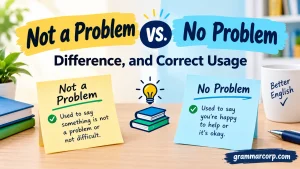
Not a Problem vs. No Problem: Difference, and Correct Usage
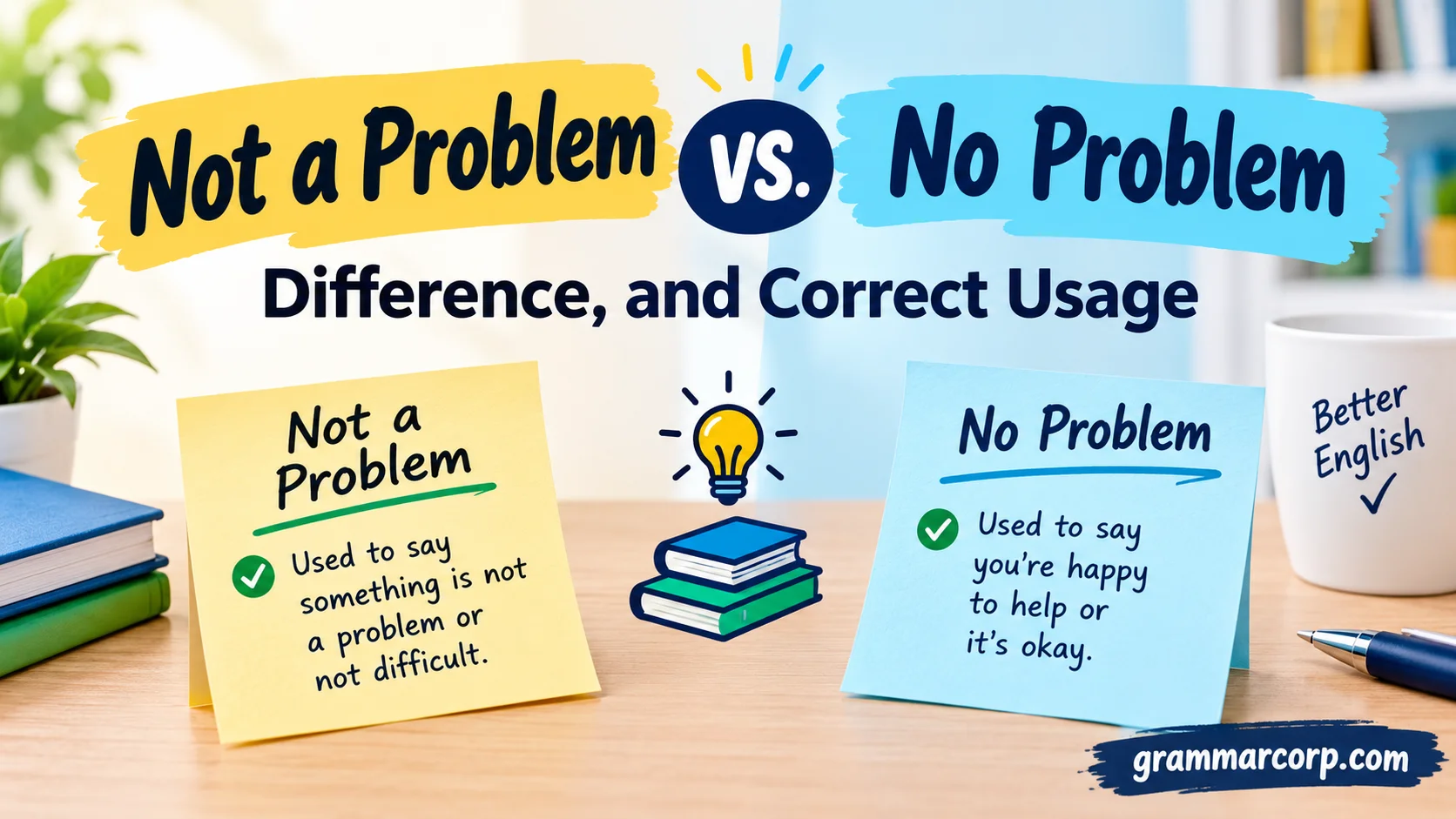
This guide to Not a Problem vs. No Problem: Difference, and Correct Usage explains how context, tone, grammar shape each phrase in English.
Read more
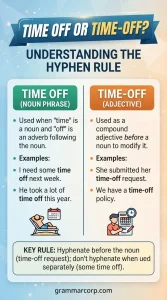
Time Off or Time-Off? Understanding the Hyphen Rule
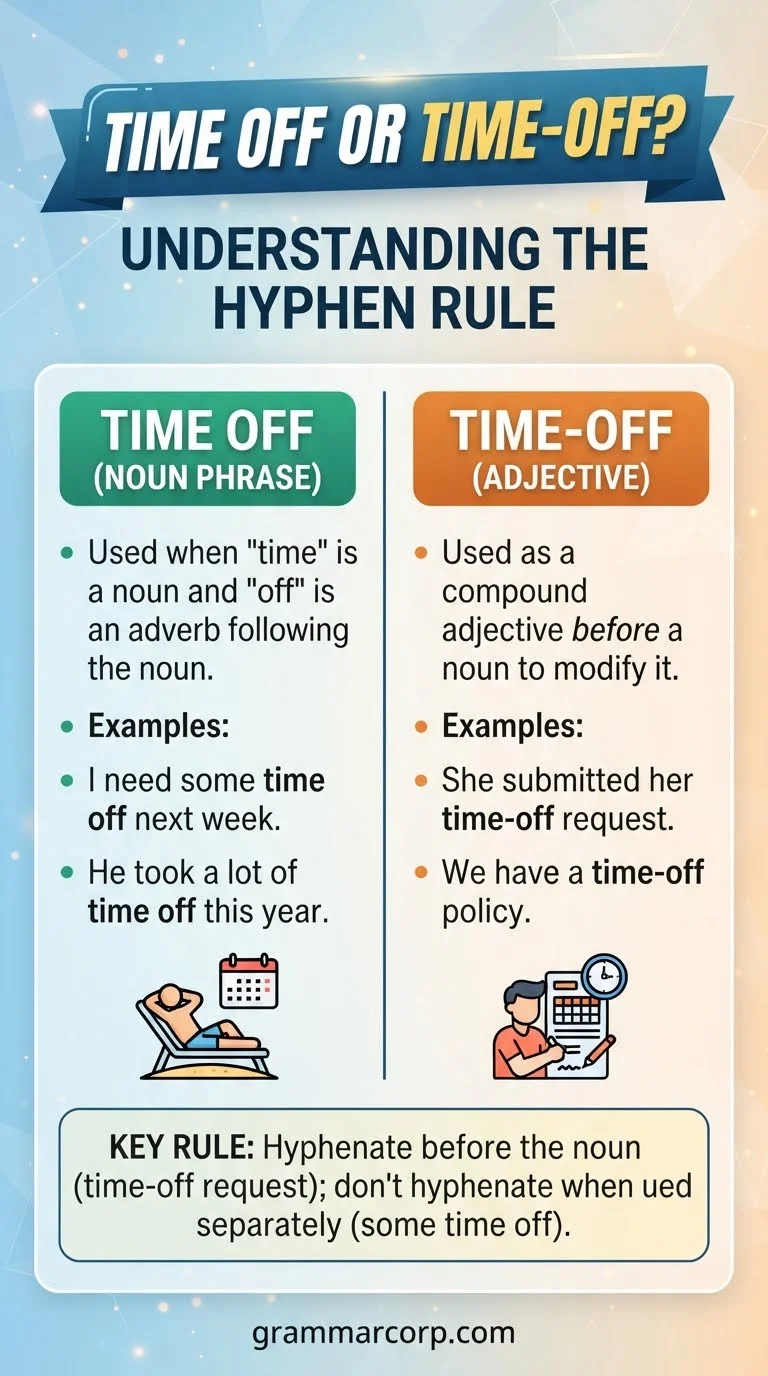
Time Off or Time-Off? Understanding the Hyphen Rule explains when to use the open form and when a form may be appropriate in English writing.
Read more
Deactivate or Inactivate: Which Word Is Correct?
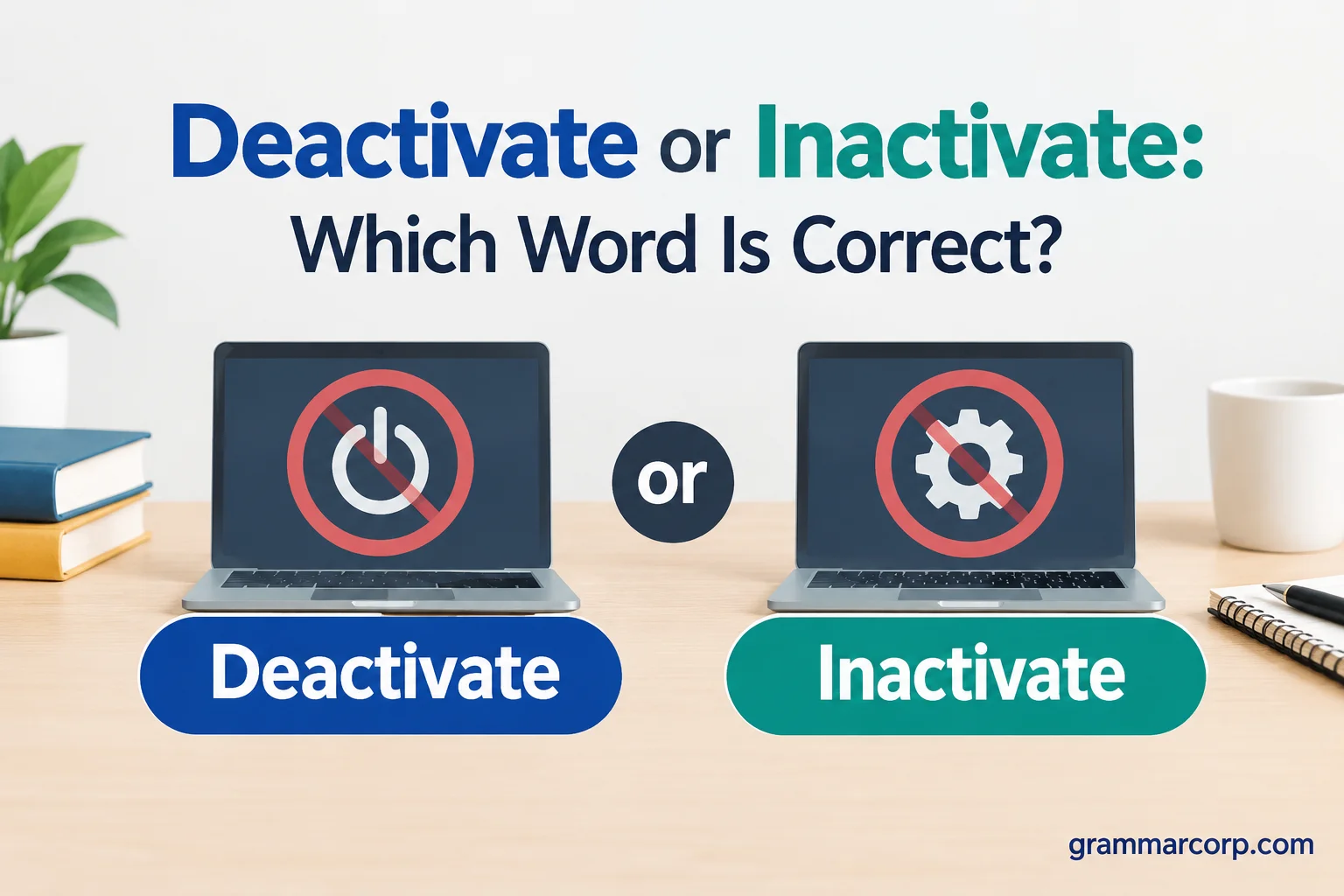
Deactivate or Inactivate: Which Word Is Correct? explains how context helps you choose the right term for digital systems scientific writing.
Read more
Die With Your Boots On: Meaning, Origin, History, and Usage

Die With Your Boots On: Meaning, Origin, History, and Usage explains how this phrase connects courage, commitment, and staying active until.
Read more
Please Advise or Please Advice? Which Is Correct?

Please Advise or Please Advice? Which Is Correct? Learn the simple grammar rule write clear, polite professional emails in American English.
Read more
Is It Correct to Say “Very Helpful”? Grammar, Meaning, and Usage
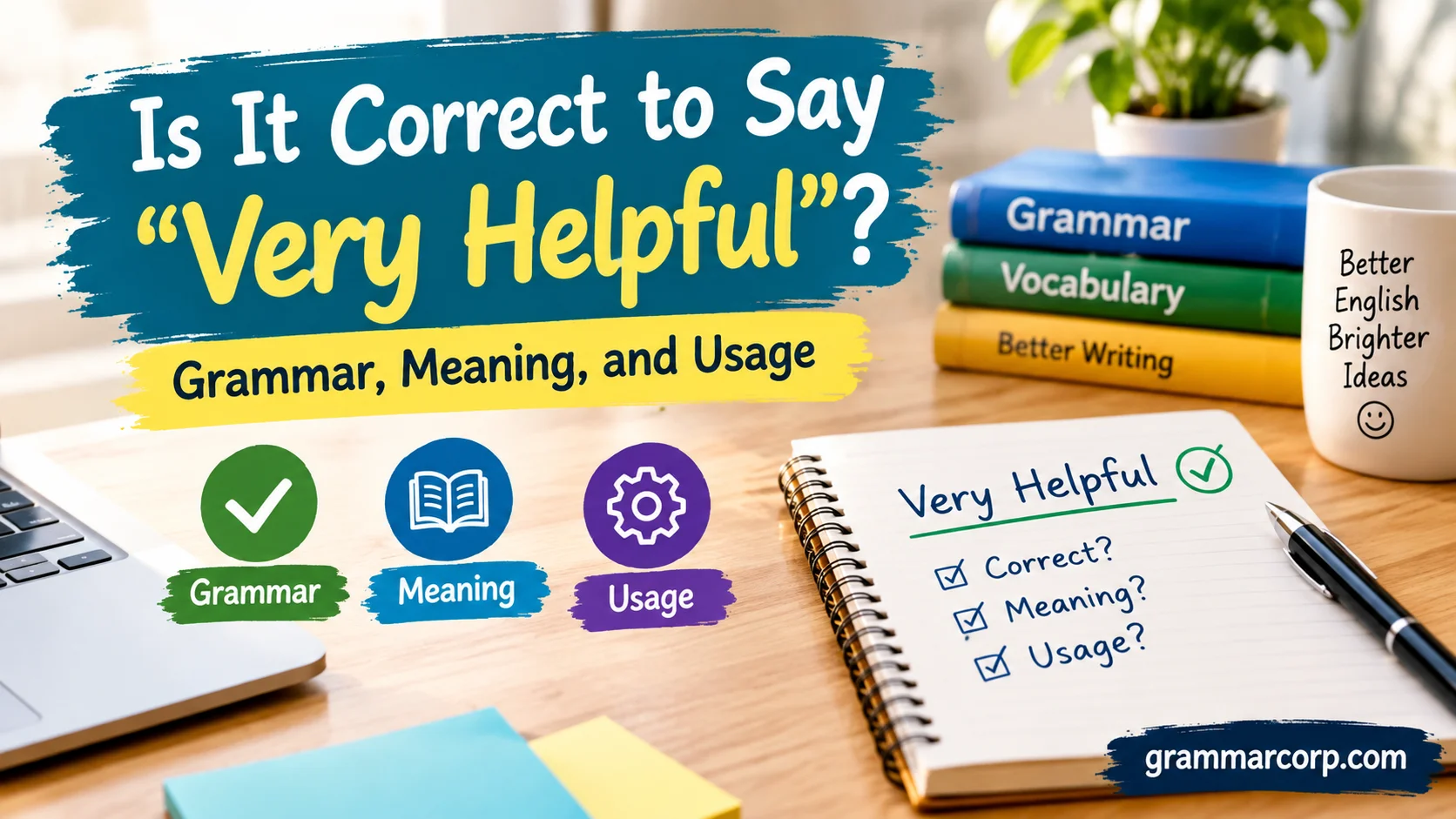
Is It Correct to Say “Very Helpful”? Grammar, Meaning, and Usage explains why this grammatically correct and natural in everyday English.
Read more
Go Out on a Limb

The idiom Go Out on a Limb describes taking a risk, sharing an opinion, or making a prediction when the outcome is success is not guaranteed.
Read more
Honor or Honour: Which Spelling Is Correct?
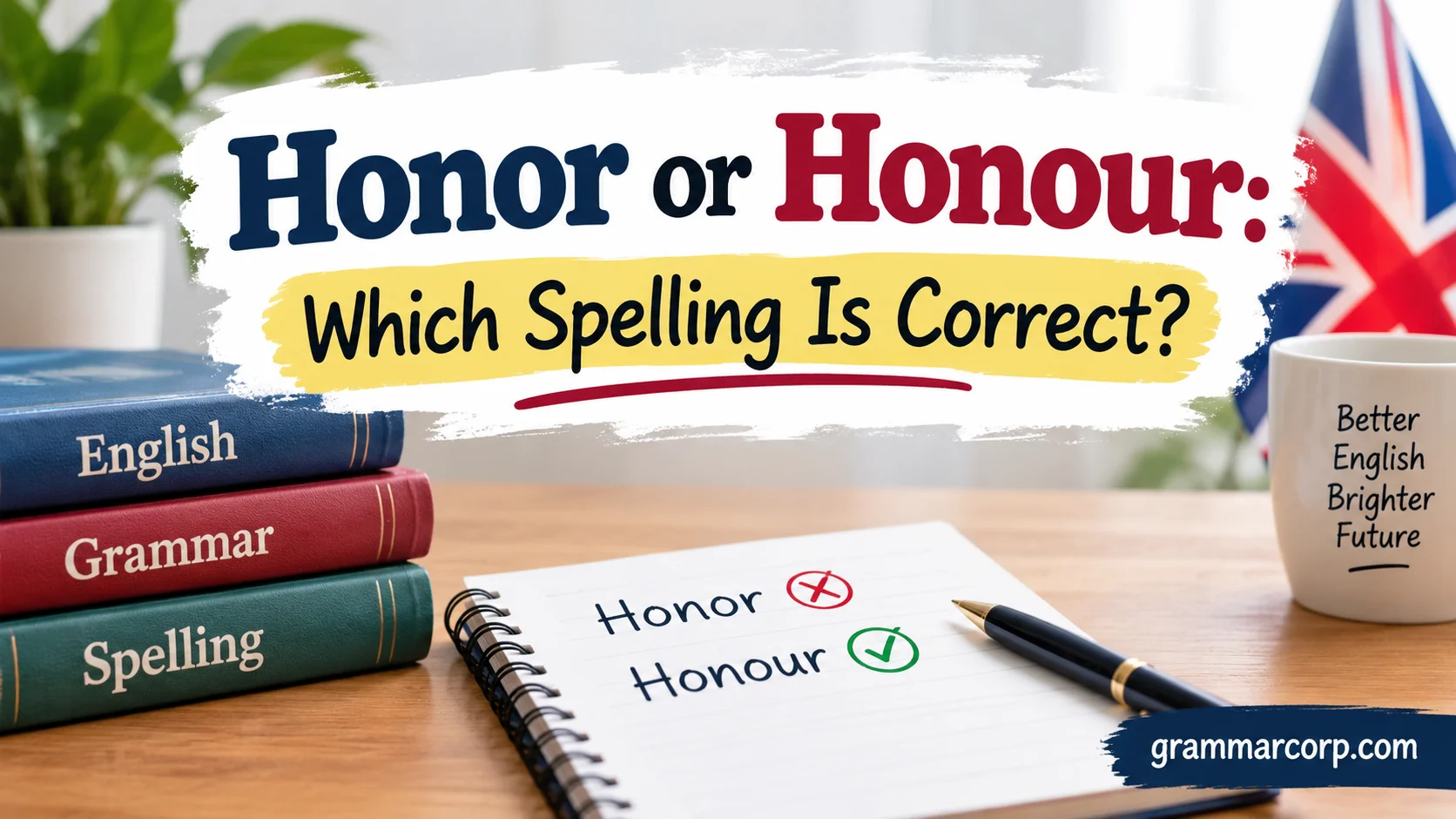
Honor or Honour: Which Spelling Is Correct? Both forms are correct, but American English uses honor, while British English uses honour.
Read more
A or An Before a Number: Which One Is Correct?
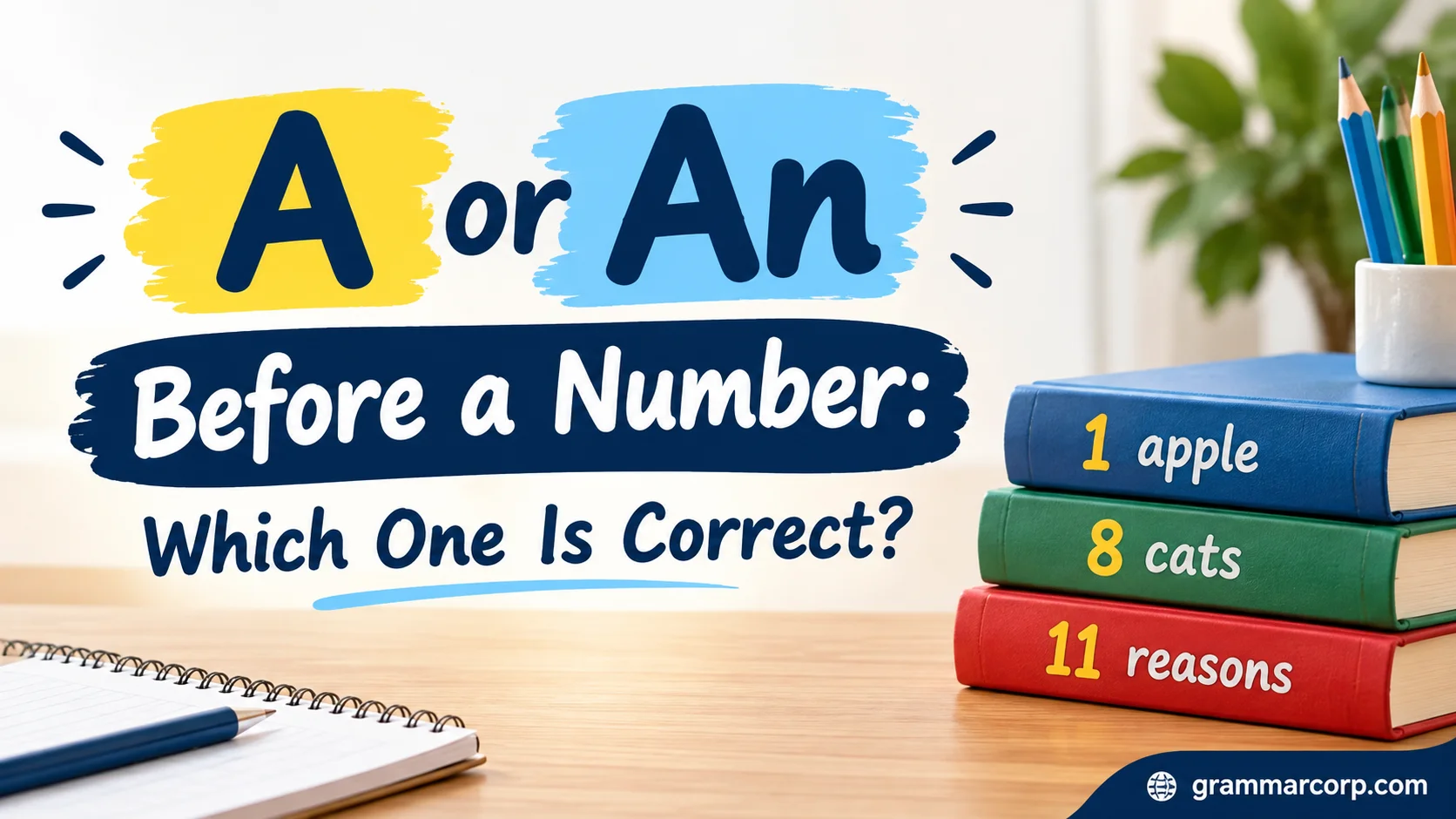
A or An Before a Number: Which One Is Correct? becomes easier when you understand how pronunciation determines correct article in English.
Read more