Fight Fire With Fire: Meaning, Origin, Examples, and How to Use It
Fight Fire With Fire: Meaning, Origin, Examples, and How to Use It explains the idiom with simple definitions, history, and useful examples.
Read more
Copula Verbs vs Auxiliary Verbs: What’s the Difference?
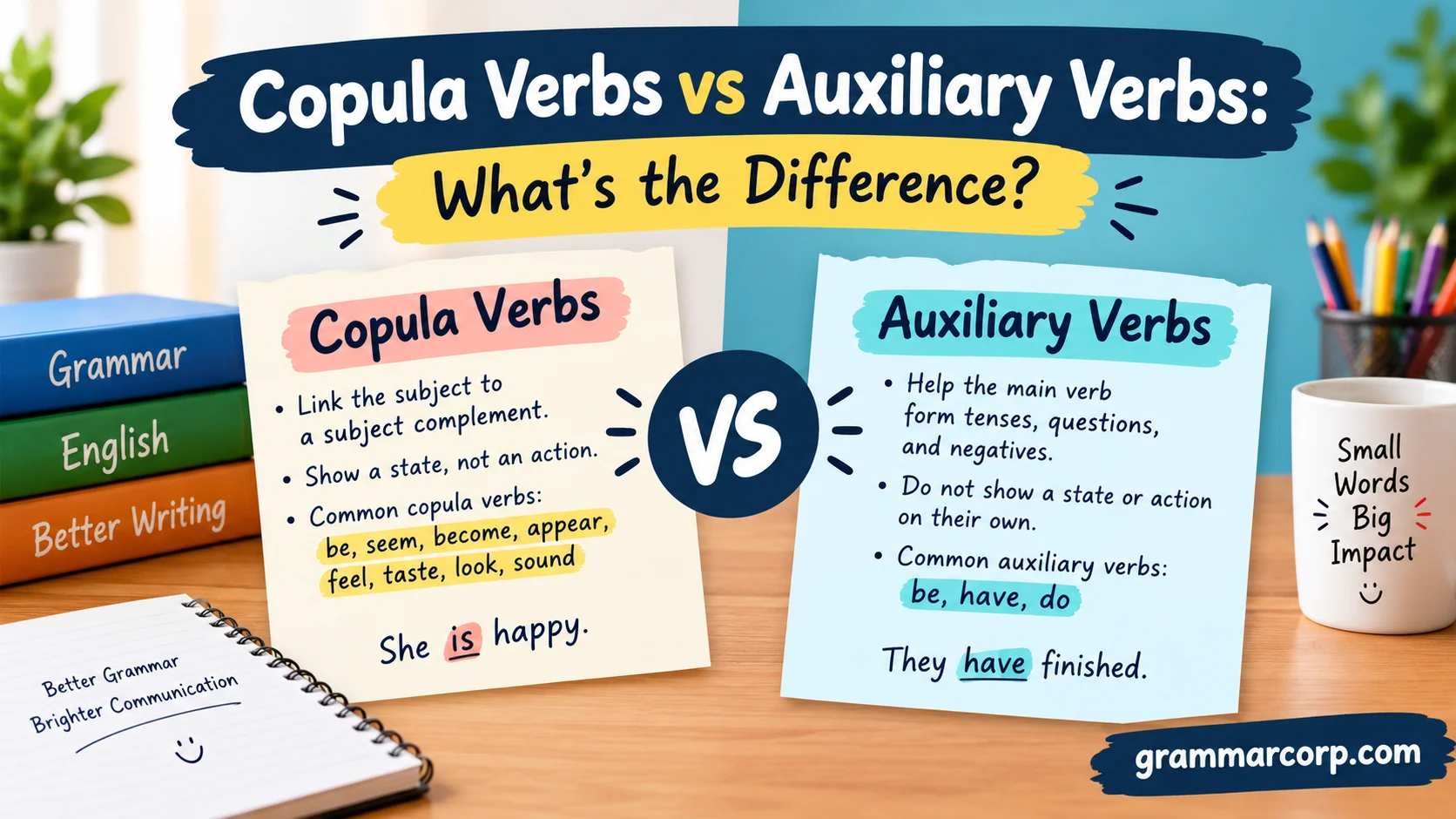
Copula Verbs vs Auxiliary Verbs: What’s the Difference? Learn how verbs describe subjects while auxiliary verbs help form verb phrases.
Read more
To Use Your Loaf: Origin, Usage, Examples and Differences
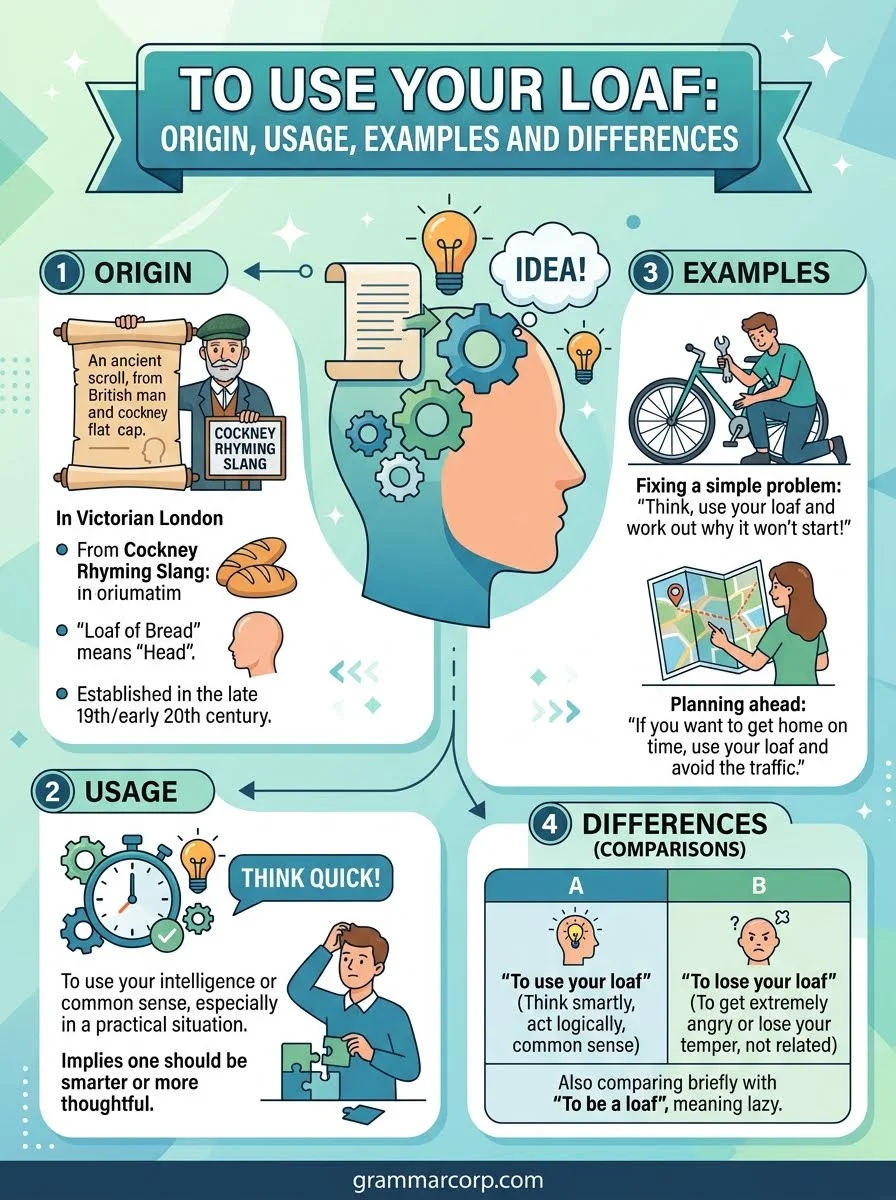
To Use Your Loaf: Origin, Usage, Examples and Differences explains this British idiom, its rhyming slang roots, how it means to think wisely.
Read more
Informational or Informative: What’s the Difference?
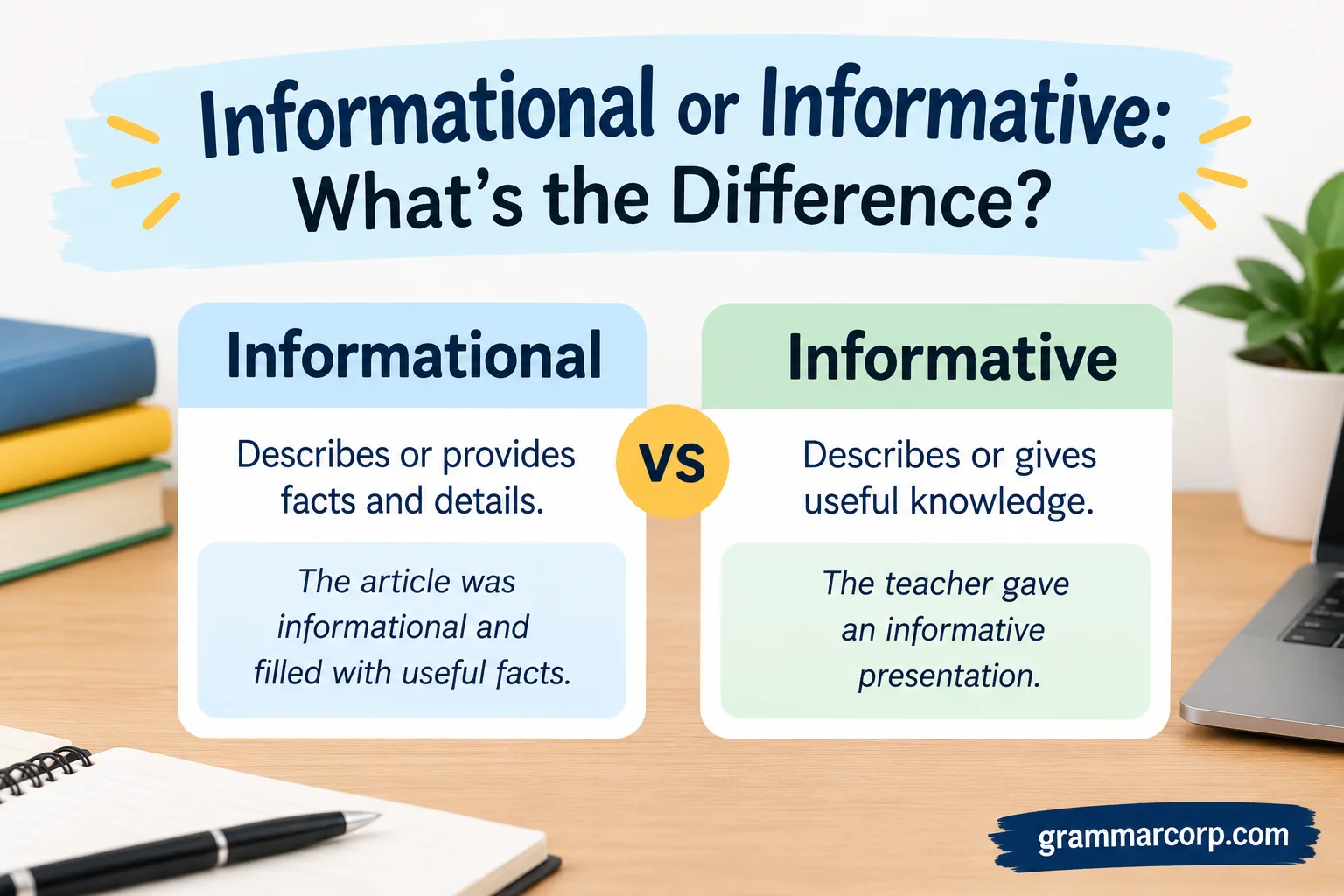
Informational or Informative: What’s the Difference? Learn how these words shape clear writing and help you choose the right term in context.
Read more
Penny for Your Thoughts: Origin, Examples

Penny for Your Thoughts: Origin, Examples explains how this familiar idiom invites people to share their thoughts in everyday conversations.
Read more
See vs. Look vs. Watch: What’s the Difference?
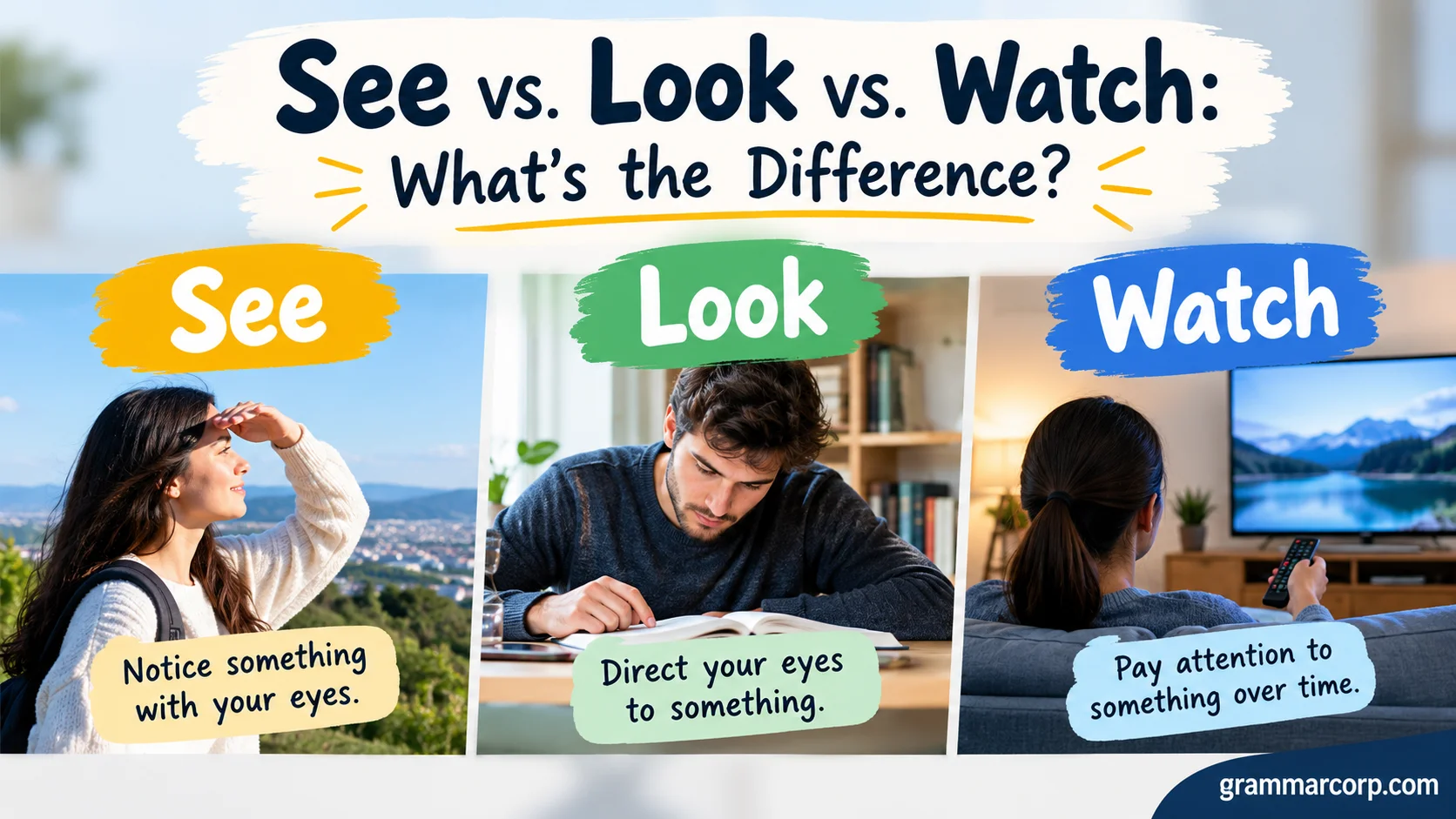
See vs. Look vs. Watch: What’s the Difference? helps English learners choose the right verb, avoid mistakes, and clearly in everyday.
Read more
Sleeve vs Sleave: Which Word Is Correct?
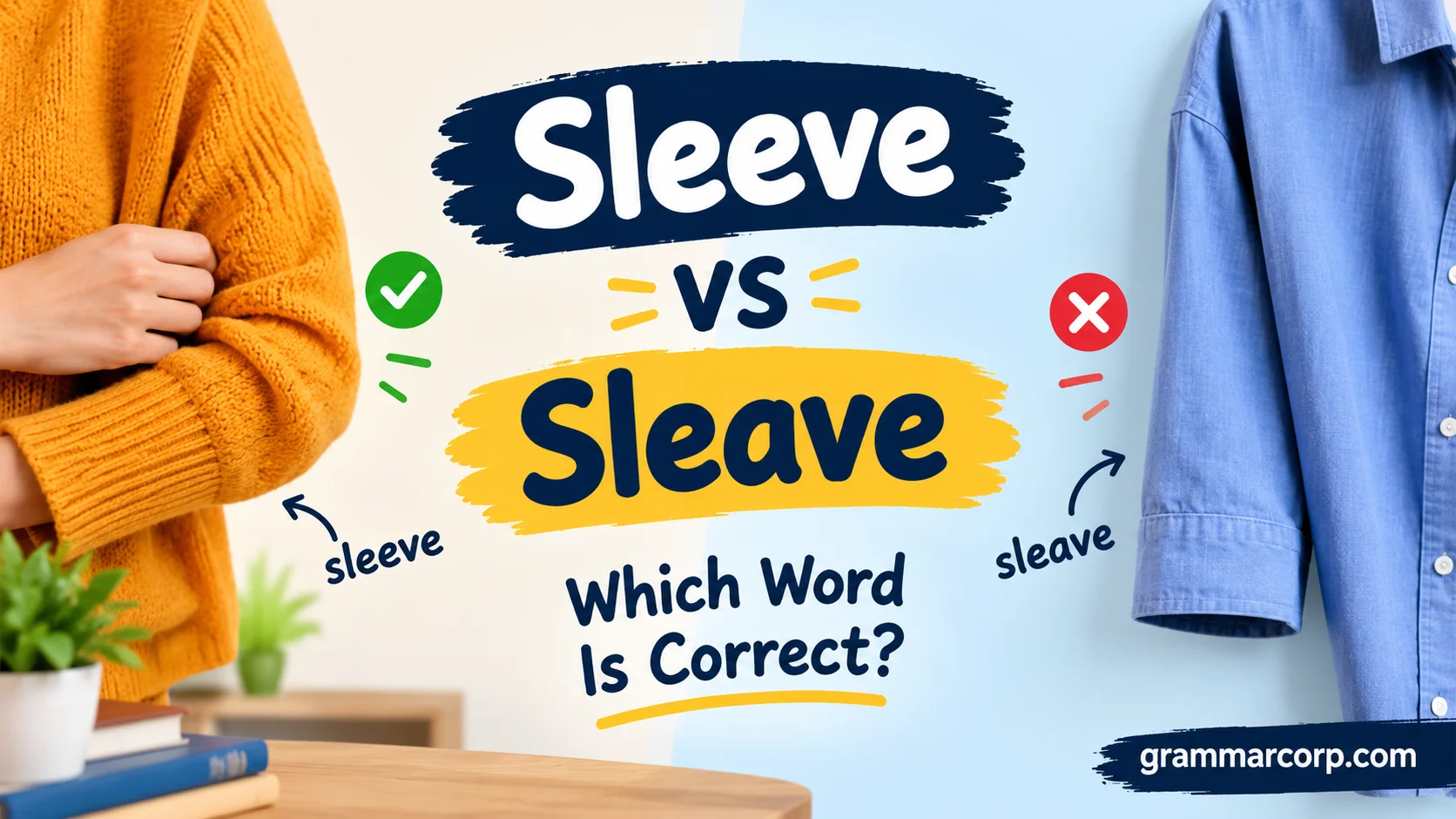
Sleeve vs Sleave: Which Word Is Correct? The answer is simple: sleeve is correct for clothing, while sleave has a rare historical meaning.
Read more
Wasn’t vs. Weren’t: How to Use Each One Correctly
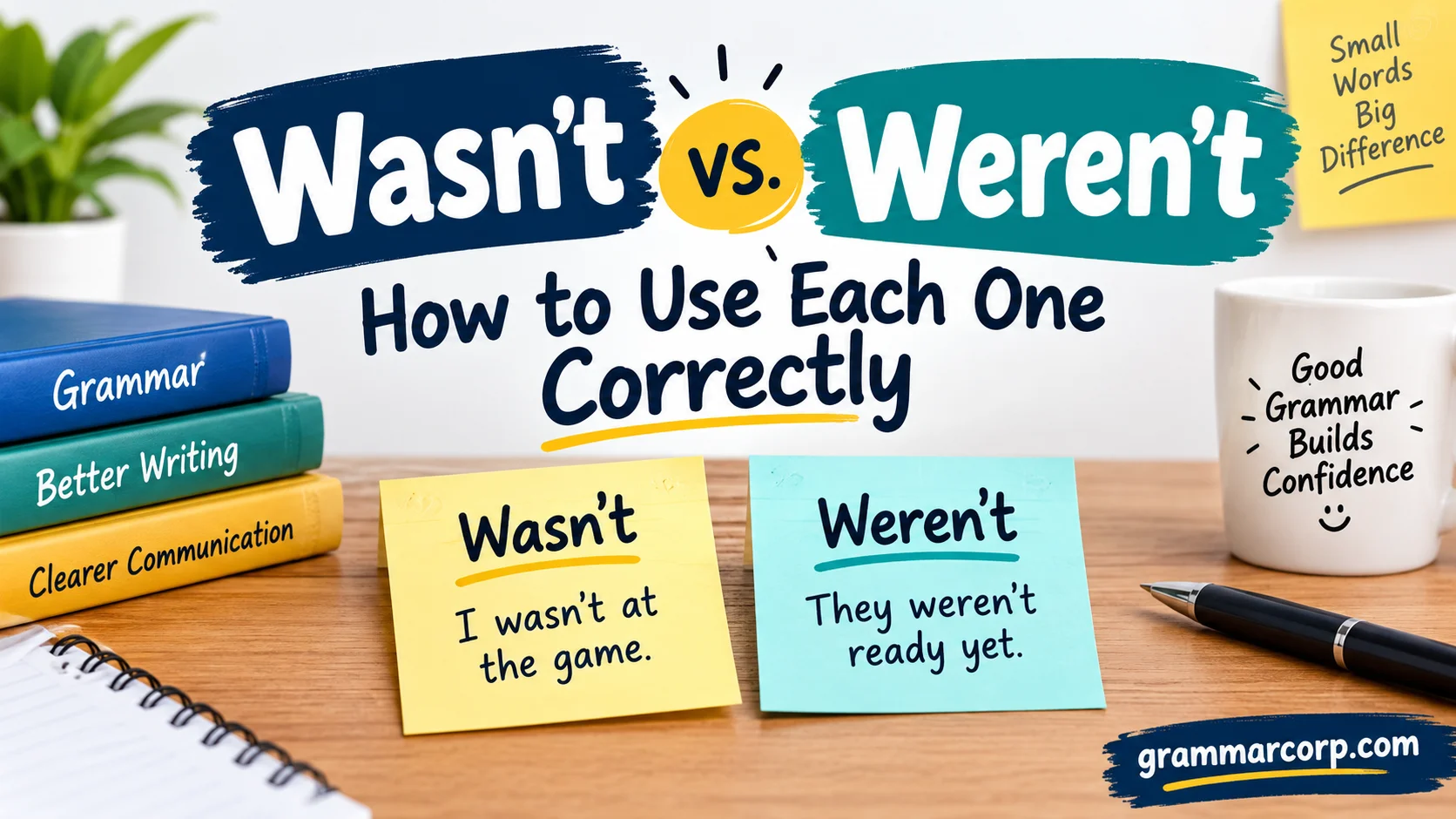
Wasn’t vs. Weren’t: How to Use Each One Correctly explains a common confusion among English learners and native English speakers.
Read more
Conjunctive Adverbs:Examples, Rules, and Punctuation
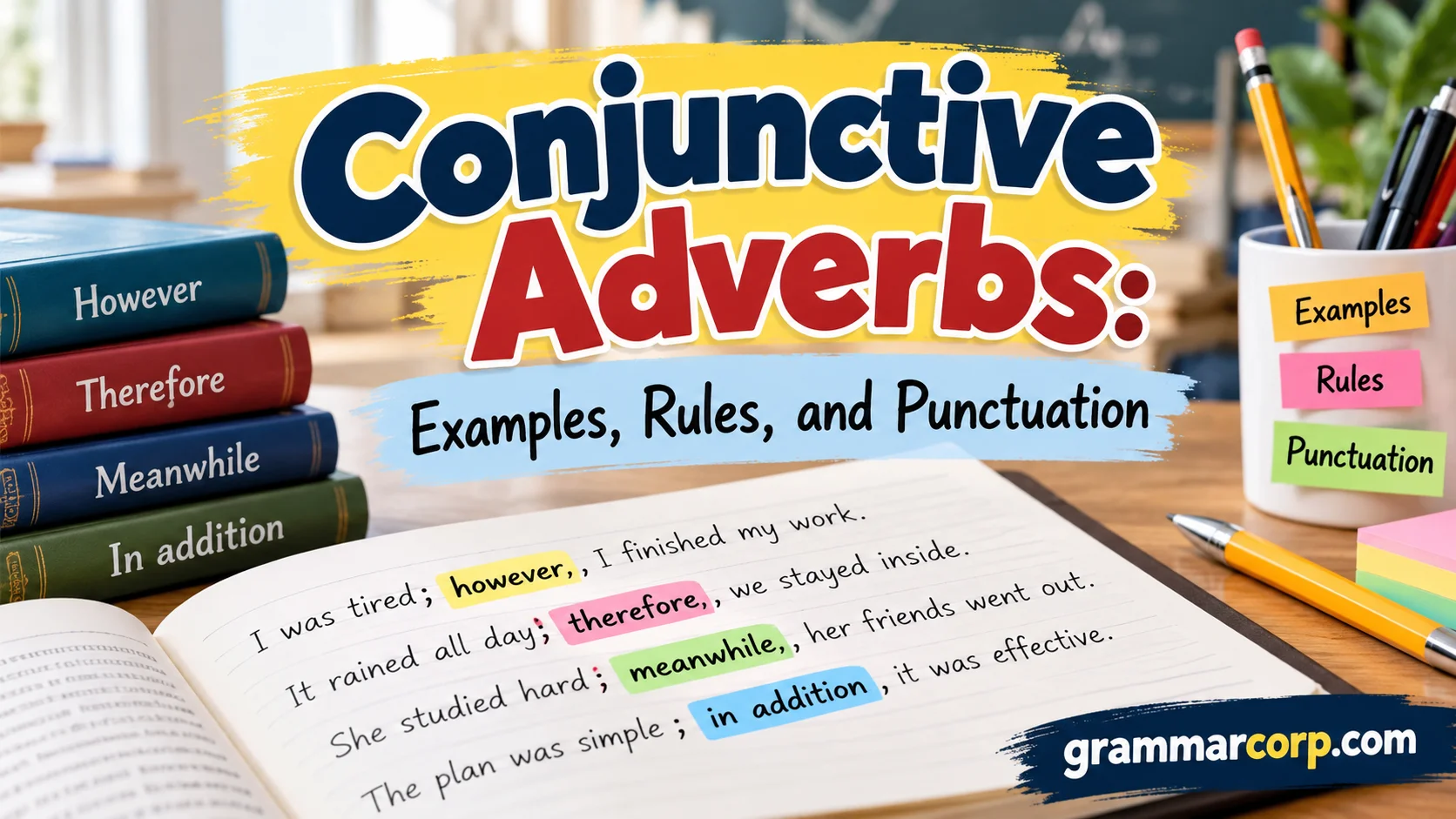
Conjunctive Adverbs:Examples, Rules, and Punctuation explains how these little words make a big punch in the English language by connecting.
Read more
From My End or From My Side: Which Is Correct?

From My End or From My Side: Which Is Correct? is a common question in everyday English, especially writing emails or professional messages.
Read more












