Feel vs. Felt: What’s the Difference?
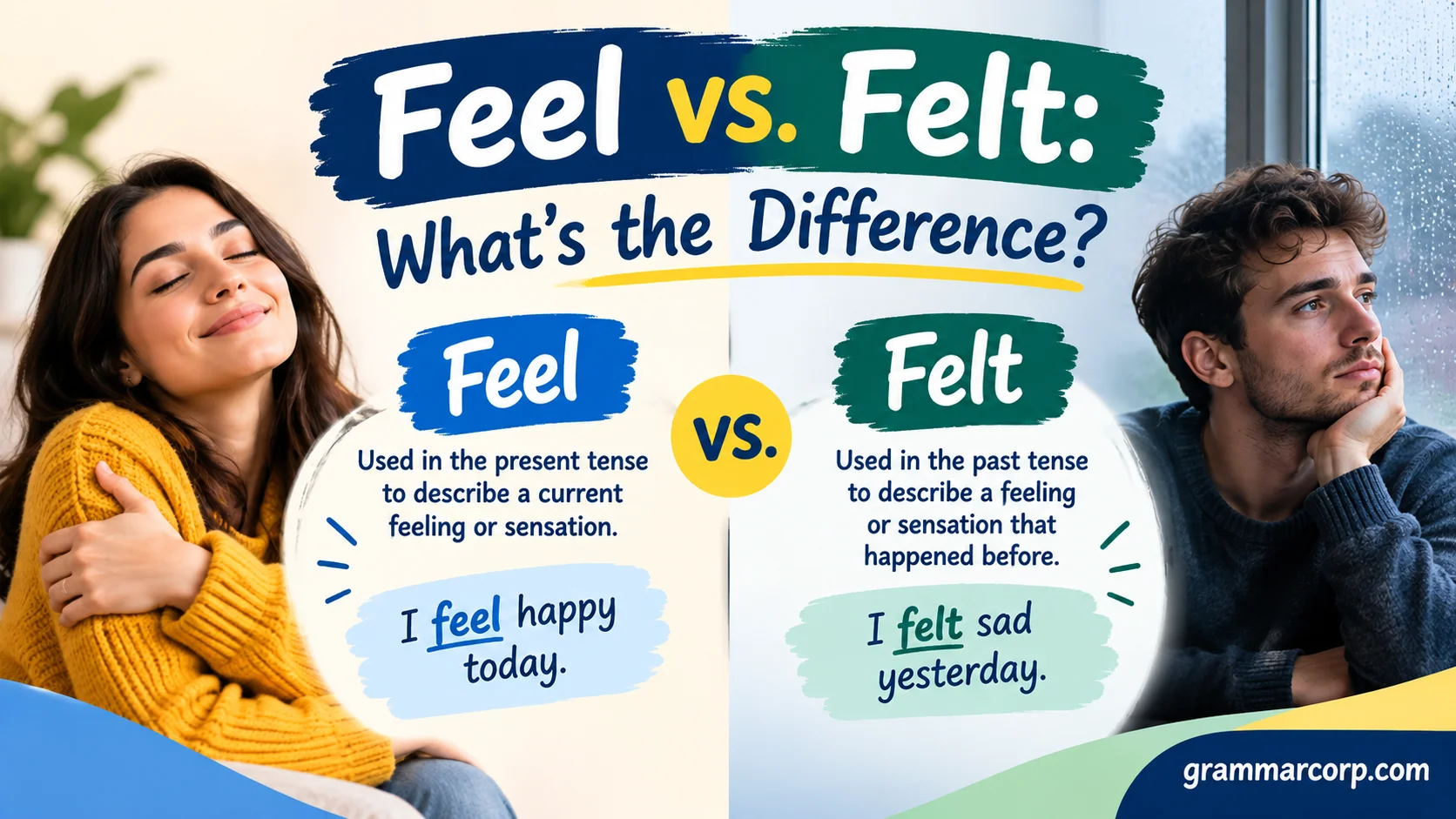
Feel vs. Felt: What’s the Difference? It becomes clearer when you compare present past forms, sentence structure, helping verbs, and everyday.
Read more
Are Video Game Titles Italicized? A Complete Guide to MLA
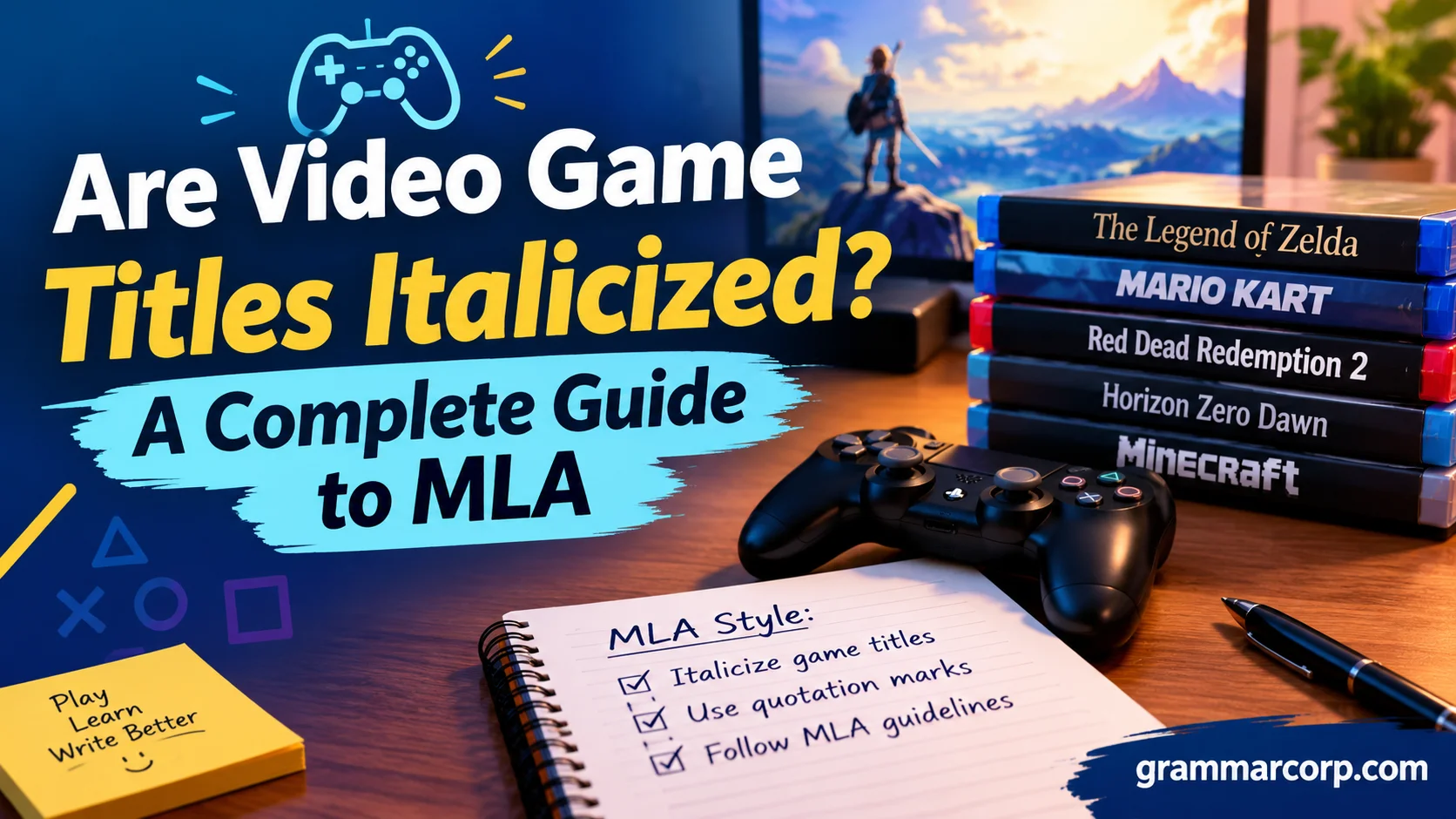
Are Video Game Titles Italicized? A Complete Guide to MLA helps writers understand style guides, italics, citations, game title formatting.
Read more
Cocoon or Cocoon: Which Spelling Is Correct?
Cocoon or Cocoon: Which Spelling Is Correct? can be confusing when a little vowel changes the spelling, sound, and meaning of familiar words.
Read more
Formerly vs Formally: What’s the Difference?
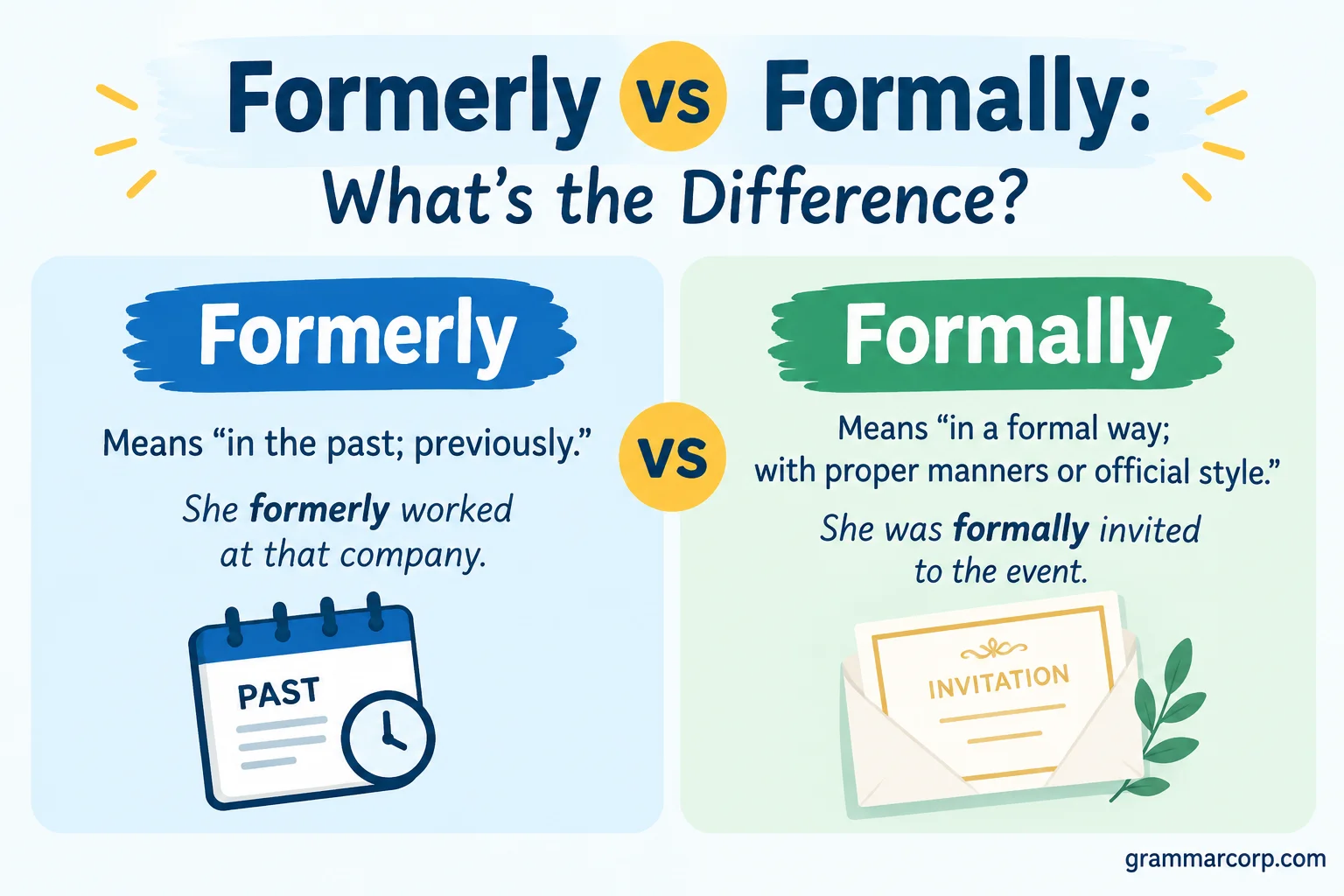
Formerly vs Formally: What’s the Difference? Both are English adverbs, but one refers the past, while the other an official or proper manner.
Read more
Differential vs. Deferential: What’s the Difference?
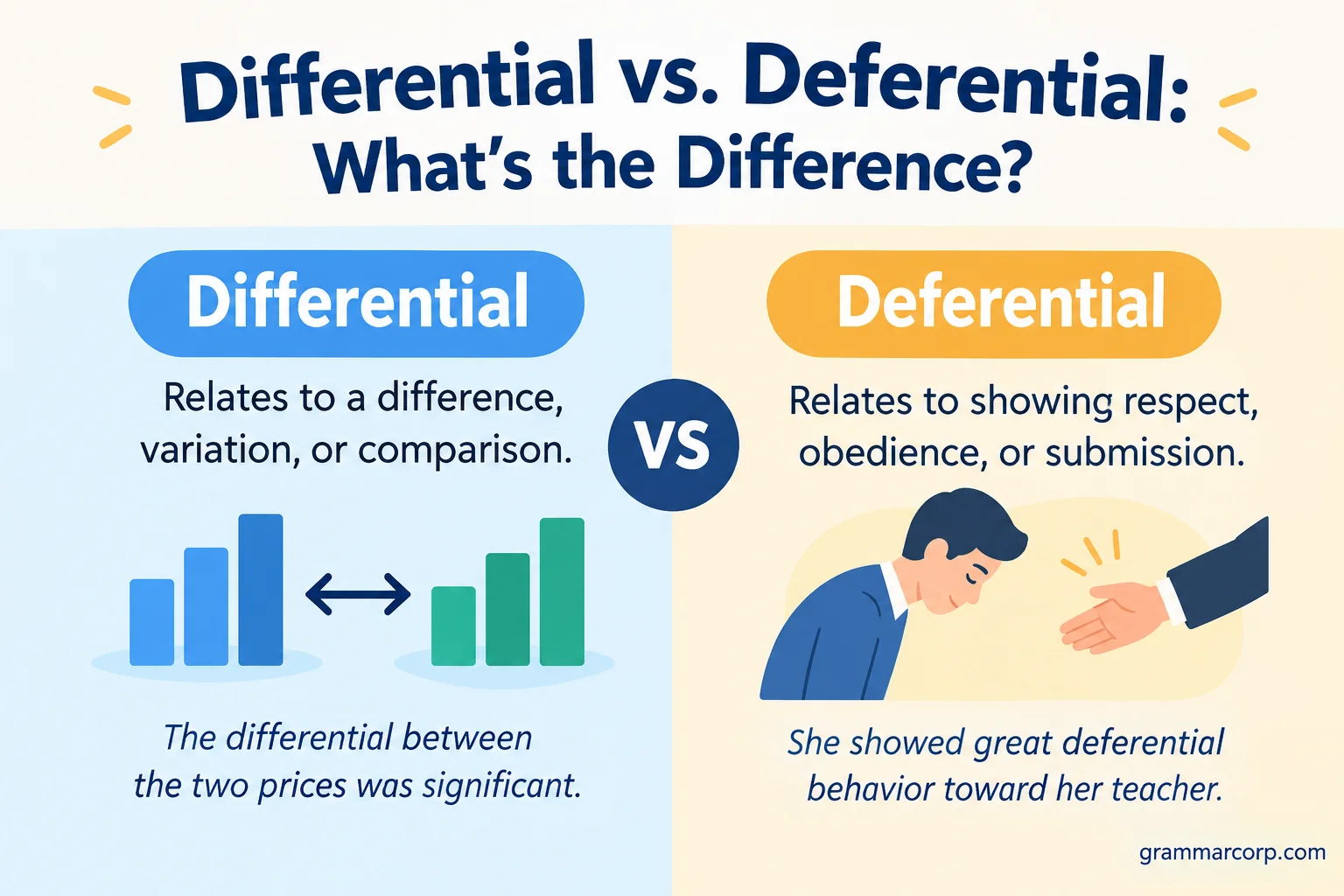
Differential vs. Deferential: What’s the Difference? These adjectives sound similar, but their meanings differ in everyday English and formal.
Read more
I Was Wondering vs. I Am Wondering vs. I Wonder
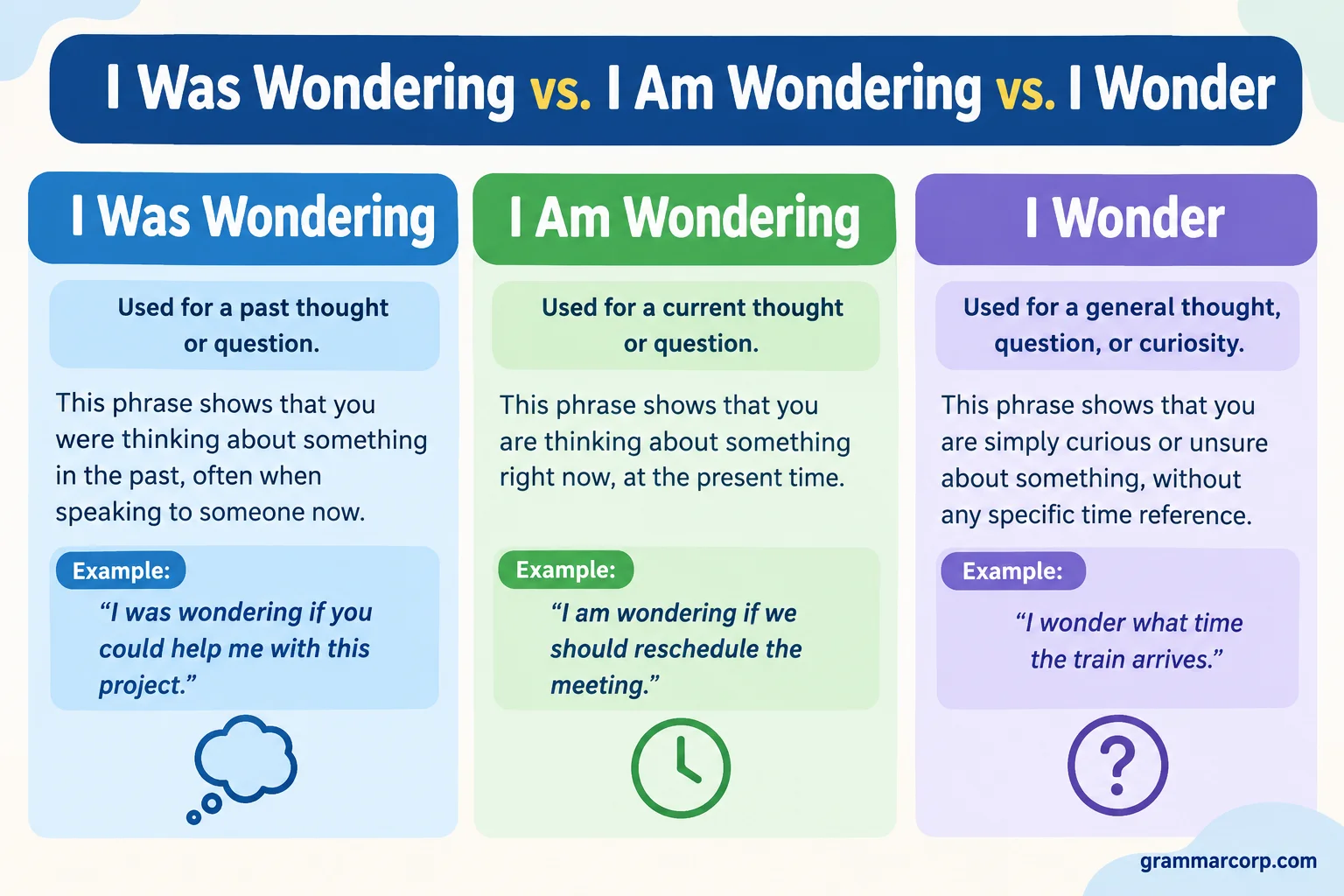
I Was Wondering vs. I Am Wondering vs. I Wonder shows how different expressions shape tone, meaning, politeness, curiosity in English today.
Read more
Complaint vs Complain: Meaning, Difference, Grammar Rules
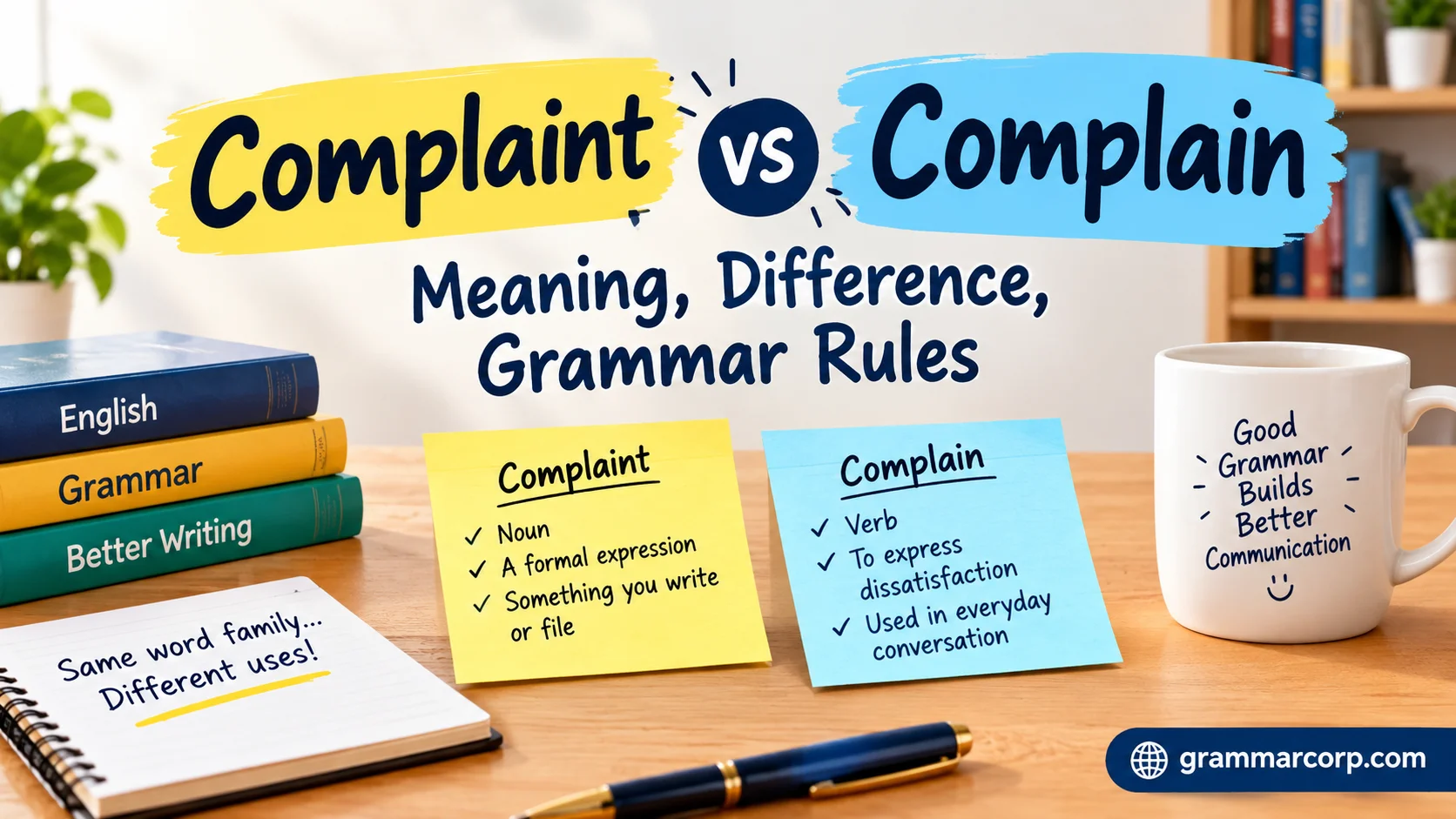
Complaint vs Complain: Meaning, Difference, Grammar Rules become easier when you know the basic distinction: complaint is a noun, while.
Read more
Is It Correct to Say “Thanks for Letting Me Know”?
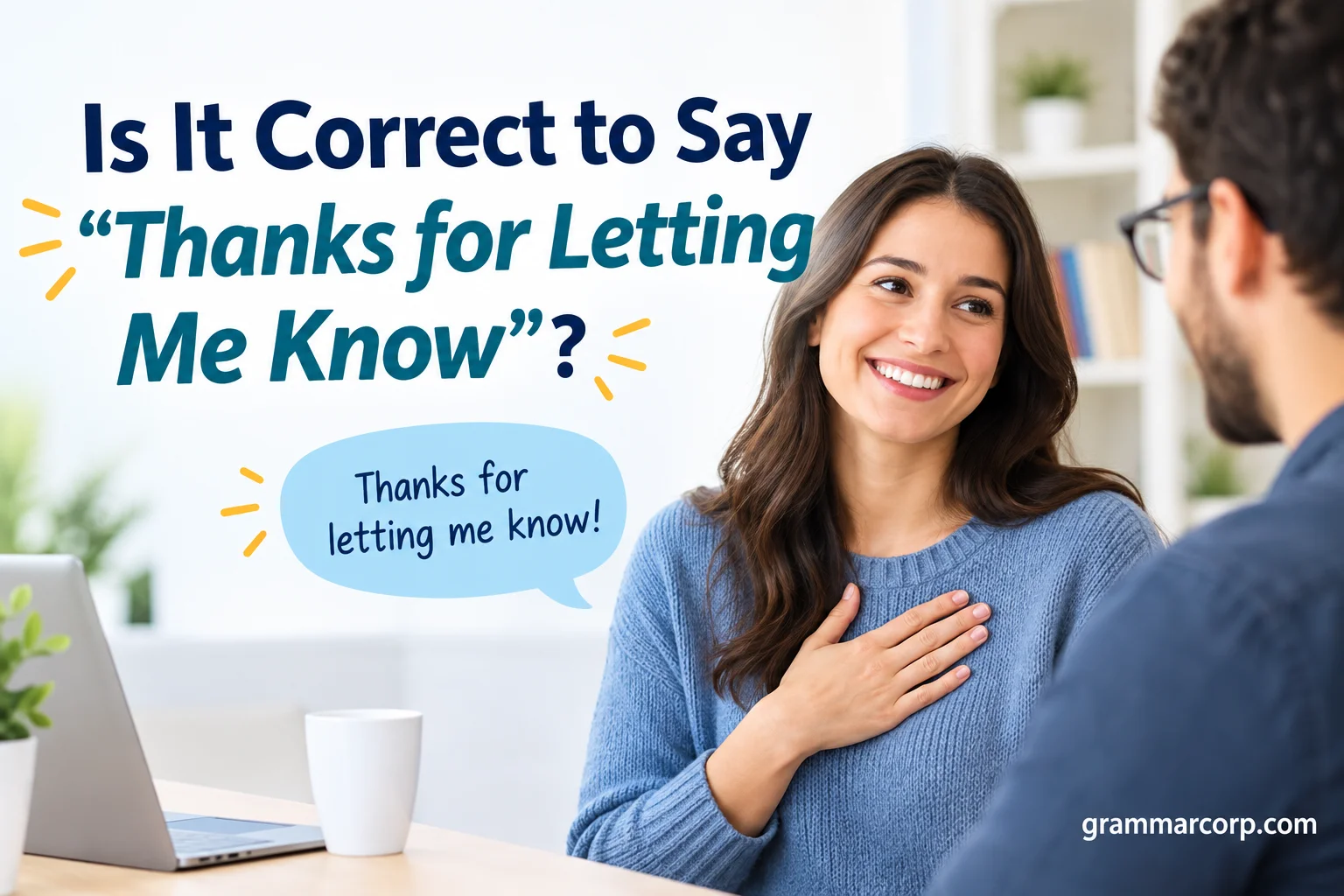
Is It Correct to Say “Thanks for Letting Me Know”? Yes, it is a natural and polite phrase for everyday English communication, emails.
Read more
Fillet vs. Filet: Meaning, Spelling, Pronunciation, and Usage
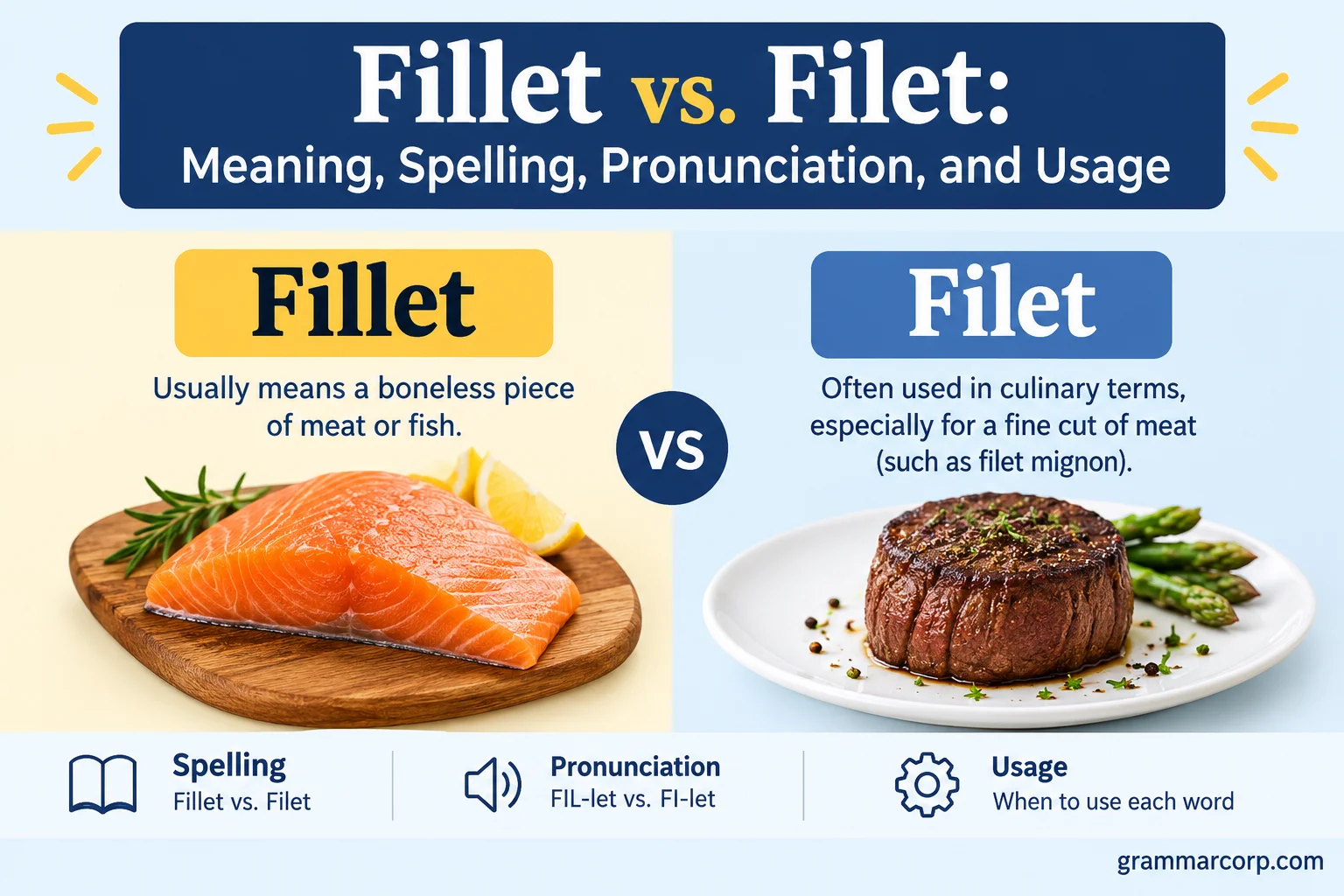
Fillet vs. Filet: Meaning, Spelling, Pronunciation, and Usage explains why these culinary terms differ in spelling, style, and regional use.
Read more
A Big Ask Meaning: What It Means and How to Use It
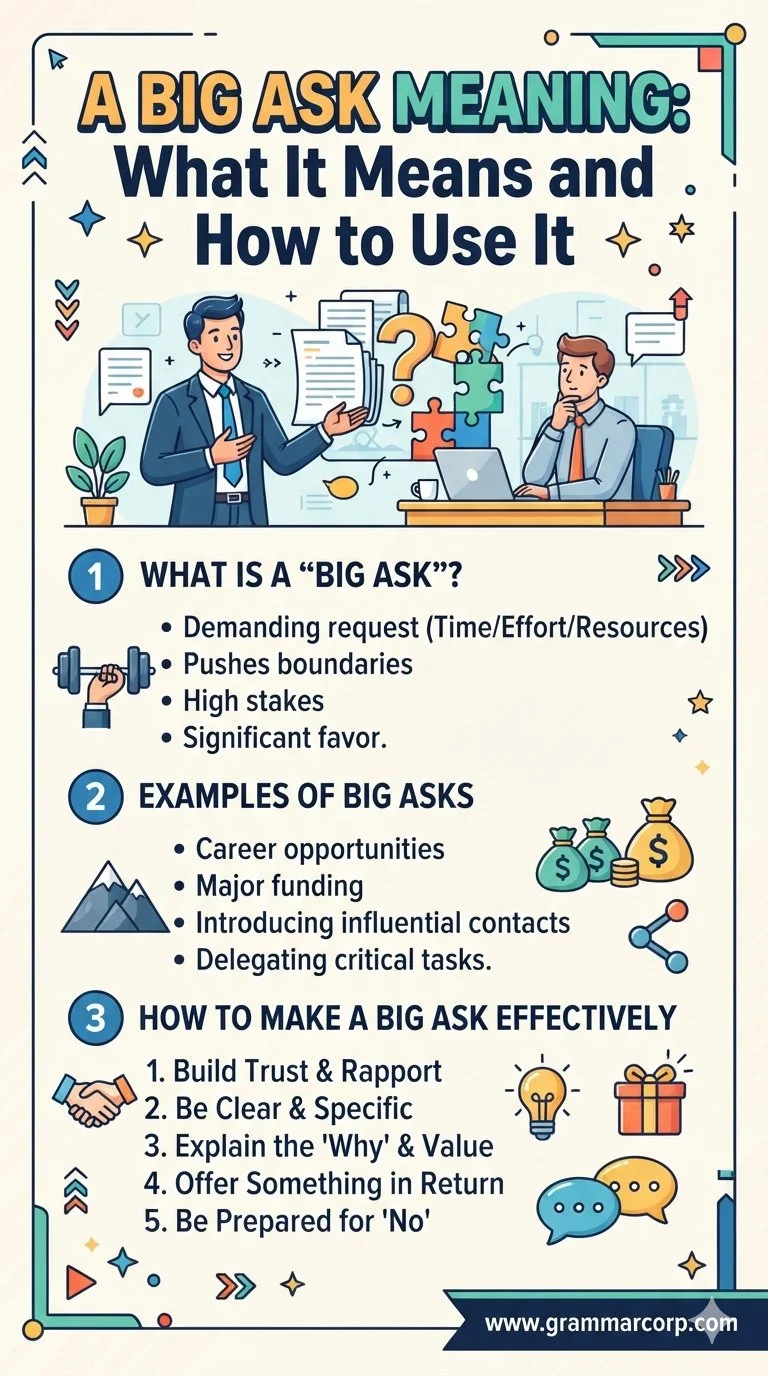
A Big Ask Meaning: What It Means and How to Use It explains how a phrase describes a difficult , task, or expectation in everyday English.
Read more